
As I use my time at home to look at other travel bloggers, I’m interested to see how regular they have been considering stepping out of the house to buy groceries is dangerous enough than stepping out of the city or the country for a holiday. They’ve managed to do pretty well by posting about particular sights in detail, and I was impressed to see great website development as well. That inspired me to update my website, and well, write this long overdue blog. It also got me thinking about how the travel industry will change so drastically due to the pandemic and how badly affected tourism-based countries will be. Its never going to be the same.
We visited Vietnam in December of 2018 which seems like forever ago, but I felt compelled to use what I believe to be new writing skills to write about this great trip while relating some parts of it to the current situation. This is not going to be a conventional day-by-day report style blog that has been seen in the past, but I really believe I can give you an account of some of the greatest places to visit in Vietnam, in Ho Chi Minh City and Da Nang/Hoi An. Considering we were there for a short, action-packed time, you can be assured to find some of the best tourist destinations to visit, and never once ask yourself whether you’ll be able to do all of this in the time that you might get to visit this country after this pandemic blows over.
Getting there
Vietnam has two important airports – Tan Son Nhat International Airport in Ho Chi Minh City and Noi Bai International Airport in Hanoi that cater to most international travel. Vietnam Airlines is the country’s airline carrier and caters to most internal travel, as well as international trips to countries close by like Singapore, Thailand, Indonesia, etc. We connected by Changgi Airport and Suvarnabhumi Airport on the way there and back respectively, flying Jet Airways from and to Bombay. Vietnam Airlines was surprisingly good with decent meals on the plane and good connectivity throughout the country. JA and VA are call-sign partners and nothing more than that, and this could not have been made clearer by an attendant who seemed very excited about this matter.
Ho Chi Minh City
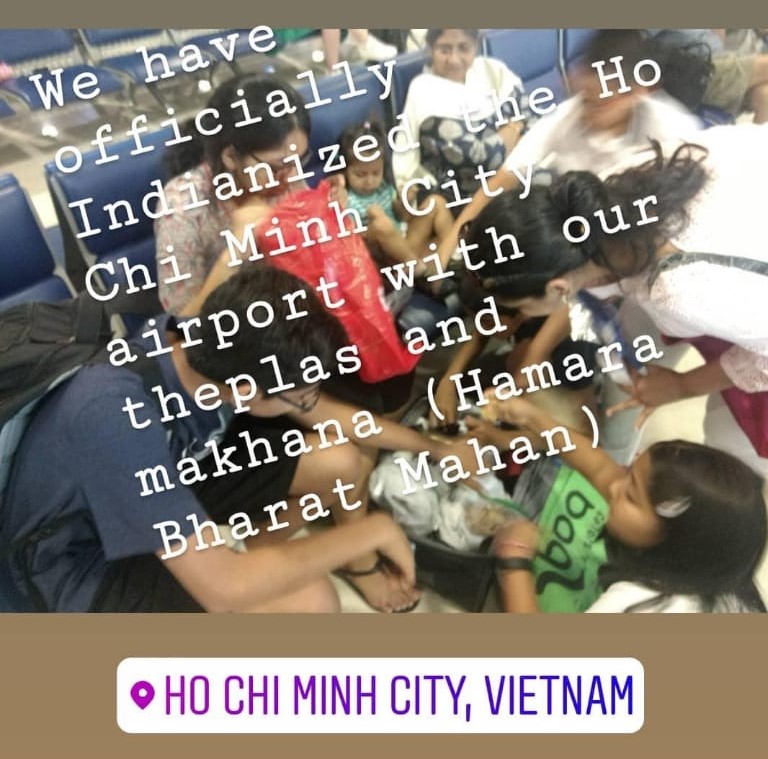
We arrived at HCMC to be greeted by a wave of tourists, haggling with drivers, and constantly checking their phones against the international travel rates posted along the walls. By the sheer brilliance of my aunt, we did not need the above as she had pre-booked a cab and so we were able to fight our way through the outstretched arms of the cab drivers looking for their fares for the day.
Moving around
It is highly recommended that you pre-book a cab of any kind before flying in and make sure that you have one on retainer during your trip. The cab drivers may drive the newest Innova’s, but that won’t stop some of them from ripping you off. Alternatively, one can download the Grab cab app, which is an app-based ride-hailing service that gets you transportation and even food from an expansive range of restaurants. You can directly add a tip to the total fare and pay online. The drivers are friendly and do allow you to stop in the way, and have a good attitude, as compared to many Ola/Uber drivers that I have encountered in my city. There is a range of public transport options as well but unfortunately, I cannot give a personal experience for the same.

Accommodation
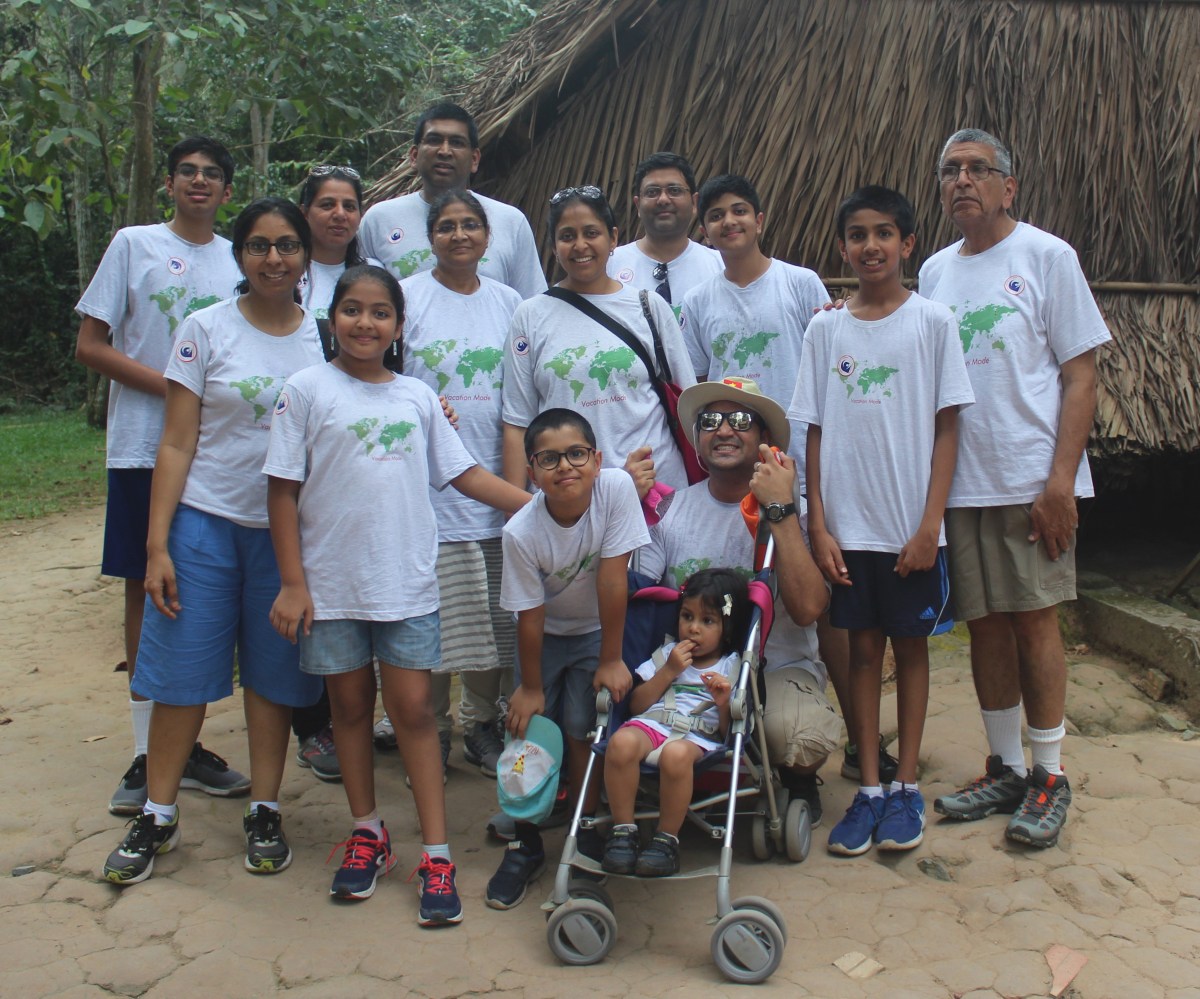
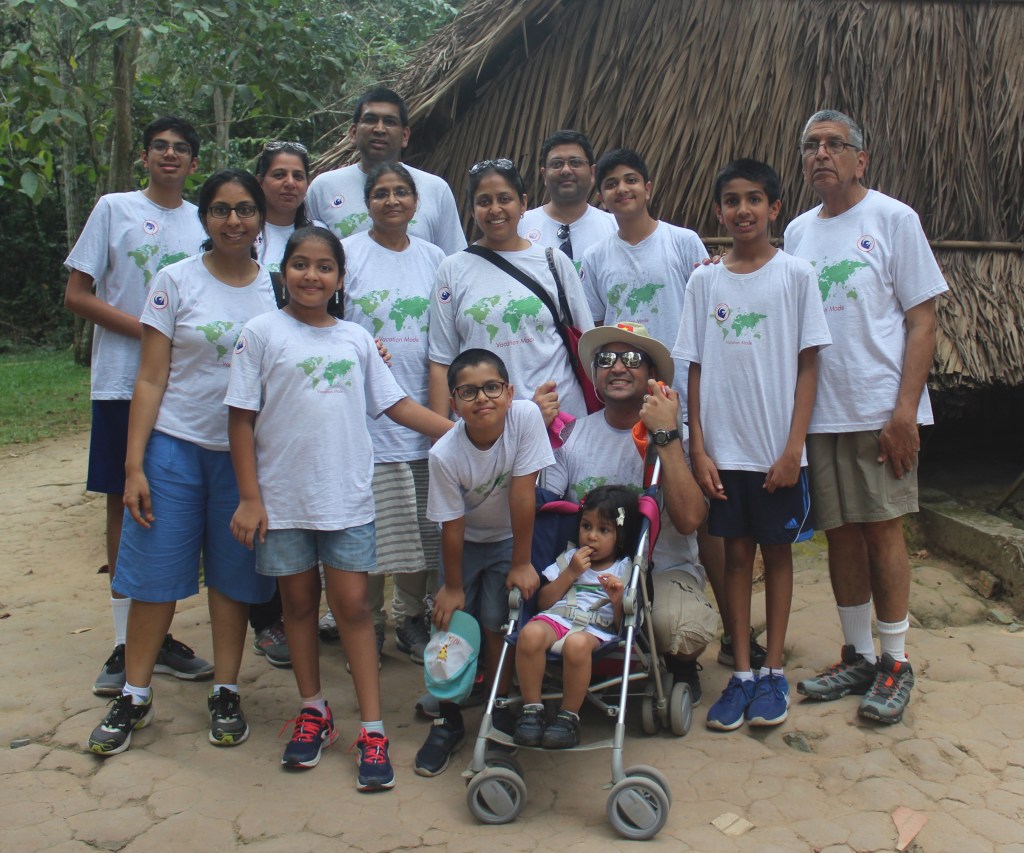
Other than the conventional hotels, if you plan on staying for a little longer than a conventional trip then service apartments are the answer. Good complexes can be seen throughout the city and we were booked at Somerset. Although it has a dingy entrance in a small lane it was exactly what a family of 14 required. Good rooms with kitchen services, a pool and utilities, and a small but well-stocked convenience store at the end of the road. Entrusted with buying the morning milk every day, I established a good rapport with the staff although our verbal interaction was quite limited. They would point to special treats that had just arrived and always gave me the freshest bread. We could not have gotten a better place.
Food to try
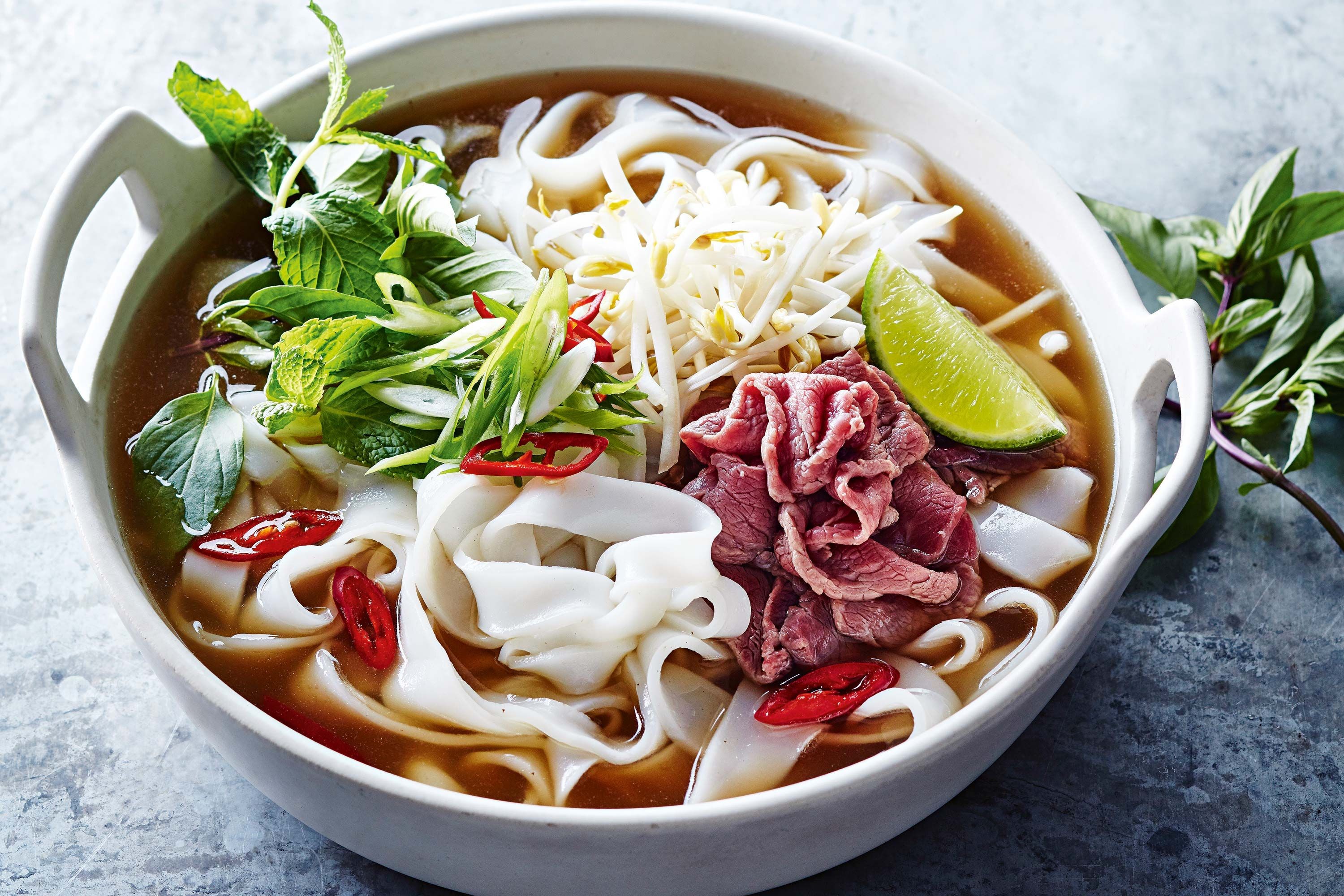
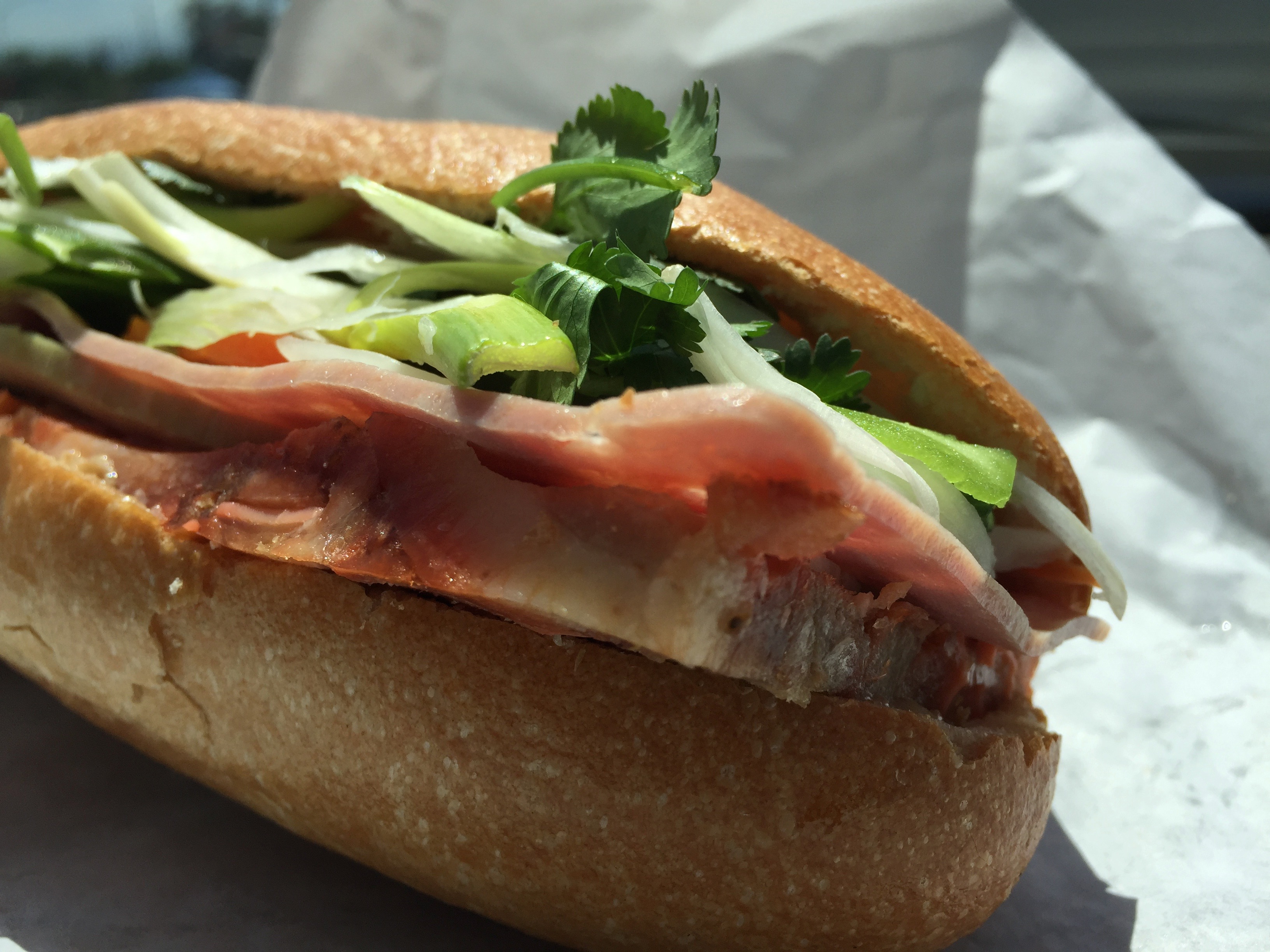
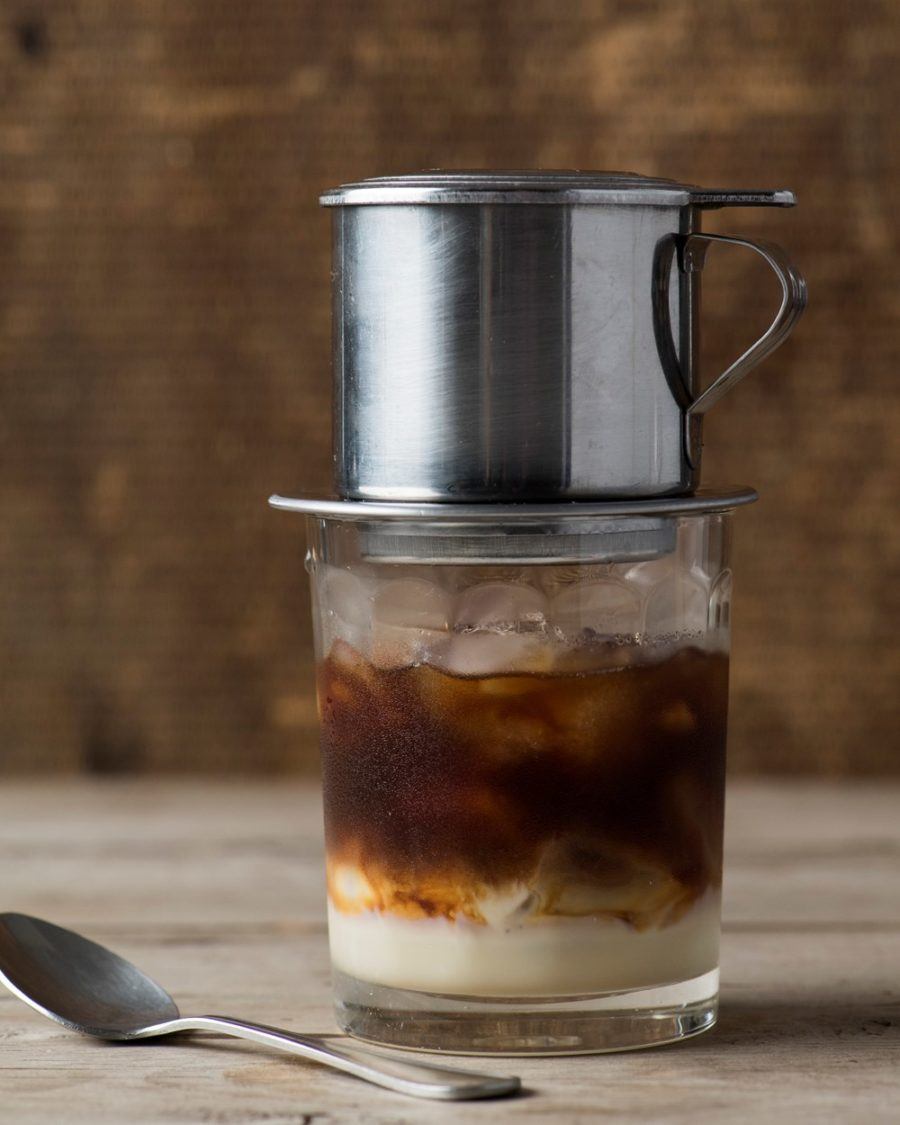
We were lucky enough to have access to some amazing street food due to our location as mentioned before – additionally, I was able to try the street meat dishes since my uncle is a big foodie and will eat absolutely anything. We frequented local street-side shops that sold Phó, a soup-like liquid that is filled with vegetables and spices. To this you can add your choice of meat – I was a big fan of the beef, the Phó Bó, which was tender and fell apart in your mouth. Chicken and pork were also a great option. Just across the street from our apartment complex was a traditional Vietnamese coffee shop that served the signature iced coffee that the country is famous for. Made using a special drip filter, this coffee is so bitter only strong black coffee lovers will be able to handle it. Other notable mentions included Gỏi cuốn (Vietnamese spring rolls filled with pork and vegetables) and the traditional Bánh mi, a baguette sandwich. Although I did find it a little dry, the complementary sauces served at different locations brought new tastes to what seemed like a normal sandwich.
Places to see
Ben Thanh Market
An expansive open market that occupies the first district of HCMC (also known traditionally as Saigon, before the war) the Ben Thanh Market is one of the oldest markets in Vietnam. Having survived the war, the market is now a known tourist spot and receives over 10,000 tourists every day. Once you step inside the market, the different smells are the first to hit you. As inherently it is not a fish and meat market, one would wonder about the origin of such a strong smell. The answer? The numerous food stalls that dot the market, famous not only for traditional Vietnamese food but newer milkshakes and baked goods. In the market, you can find knock offs of knock offs. T-shirts of average quality fetched a price of 300 rupees, and I was able to snag a couple at a fairly decent price.
This market is an interesting place, for it changes you as a person. You leave this market a changed person, a different person, for you have had your will broken by a hotshot vendor who is confident that the ‘Over armor’ t-shirts that they are selling are the real deal. The bargaining here has the power to break you.
I do wonder how drastically this place will change once it reopens from its temporary closure due to the pandemic. The closely spaced stalls and tightly-packed corridors will have to be replaced in fear of the virus effectively changing the atmosphere of the area.
To move around the market we were able to hire the traditional Saigon rickshaws, which ferried two of us at a time. We were able to see directly into the stalls and markets in our open-aired carriage there might not be any way to classify these vehicles, for they not only didn’t stop for the lights but used the zebra crossing when they pleased. All in all, it’s a great way to get around.
Independence Palace
The Vietnamese have no problem talking to you about the War. Other countries that have seen such heinous wars or been the subject of atrocities by their rulers or foreign aggressors tend to downplay that part of history, but this country did not hide even a bit of it.
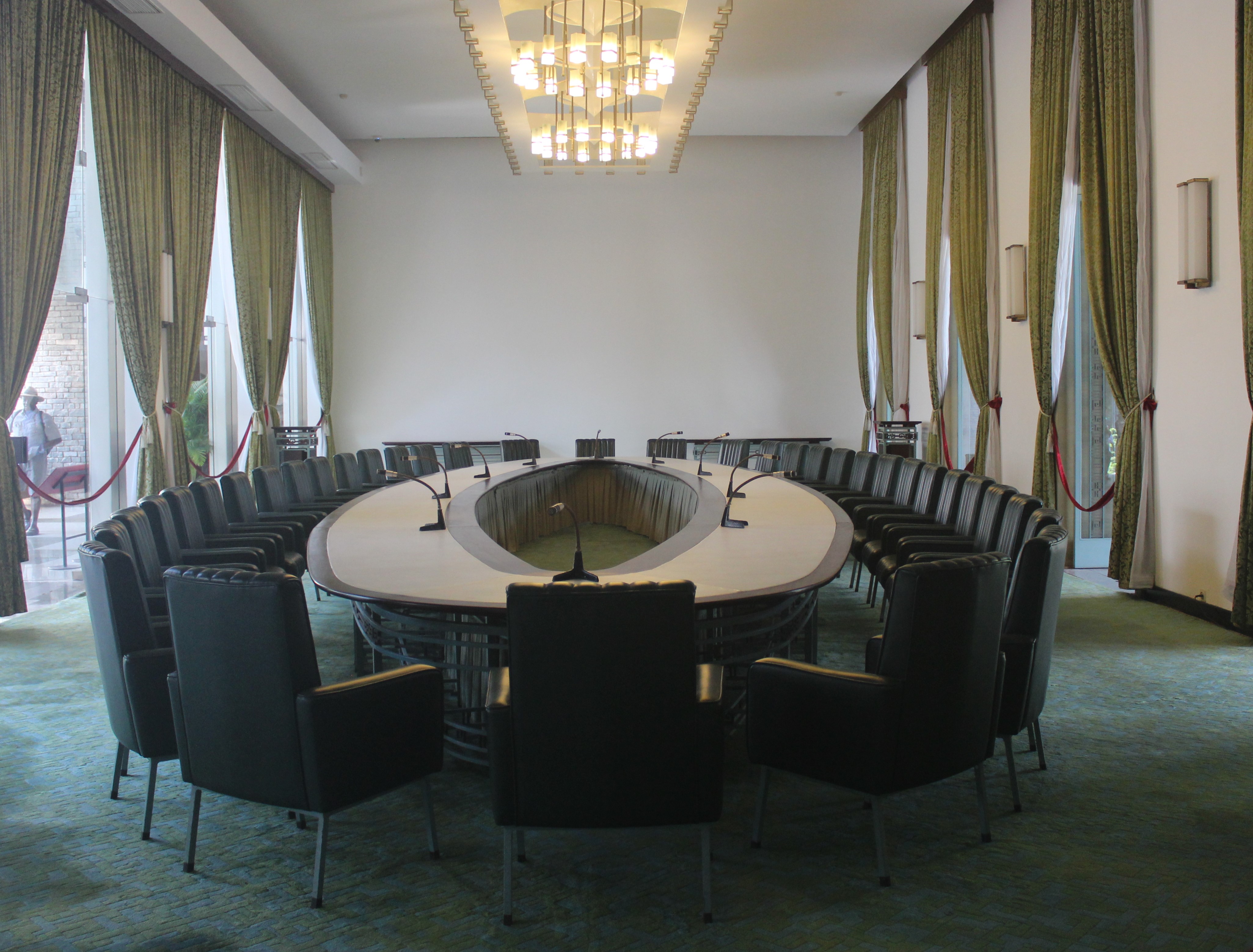
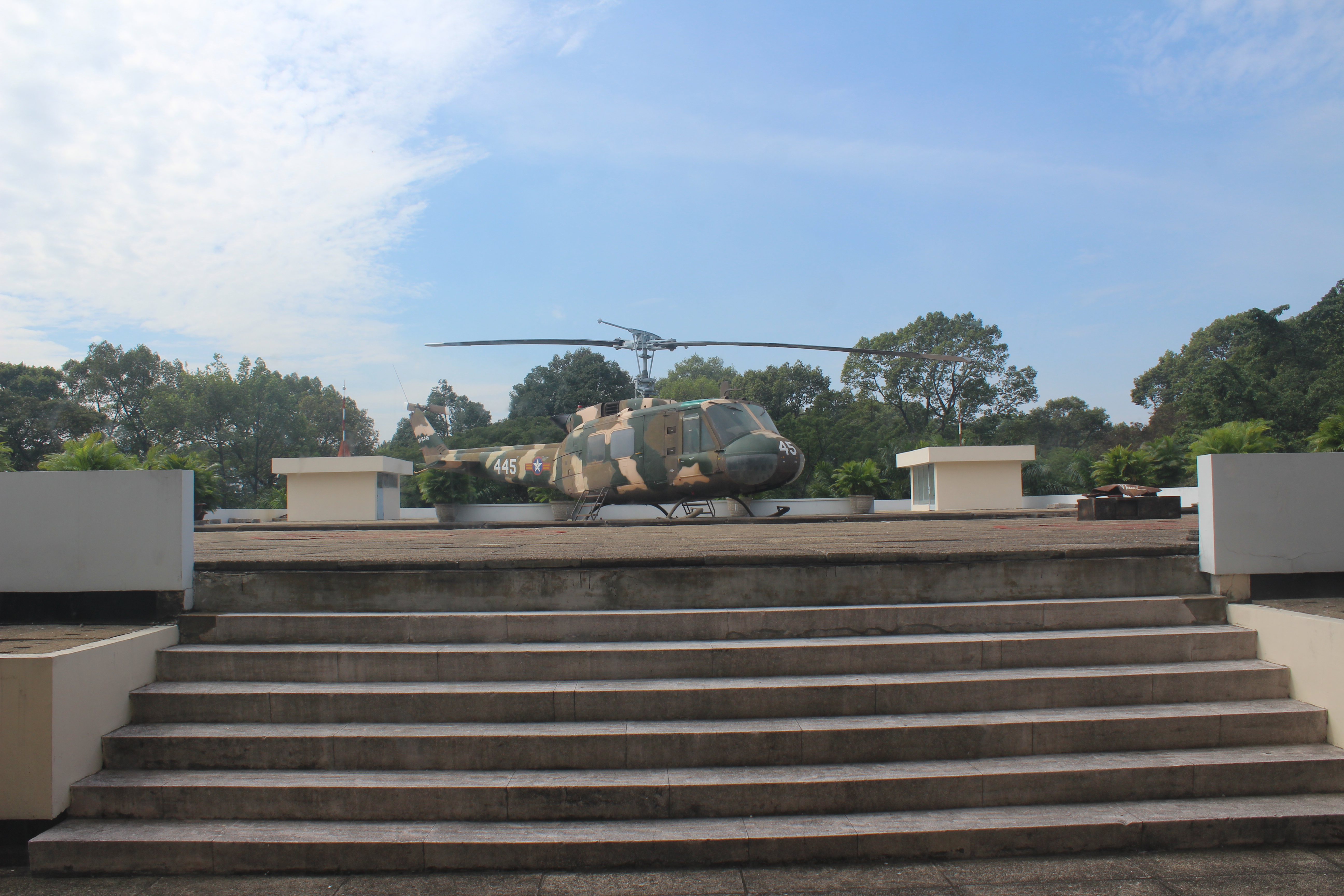
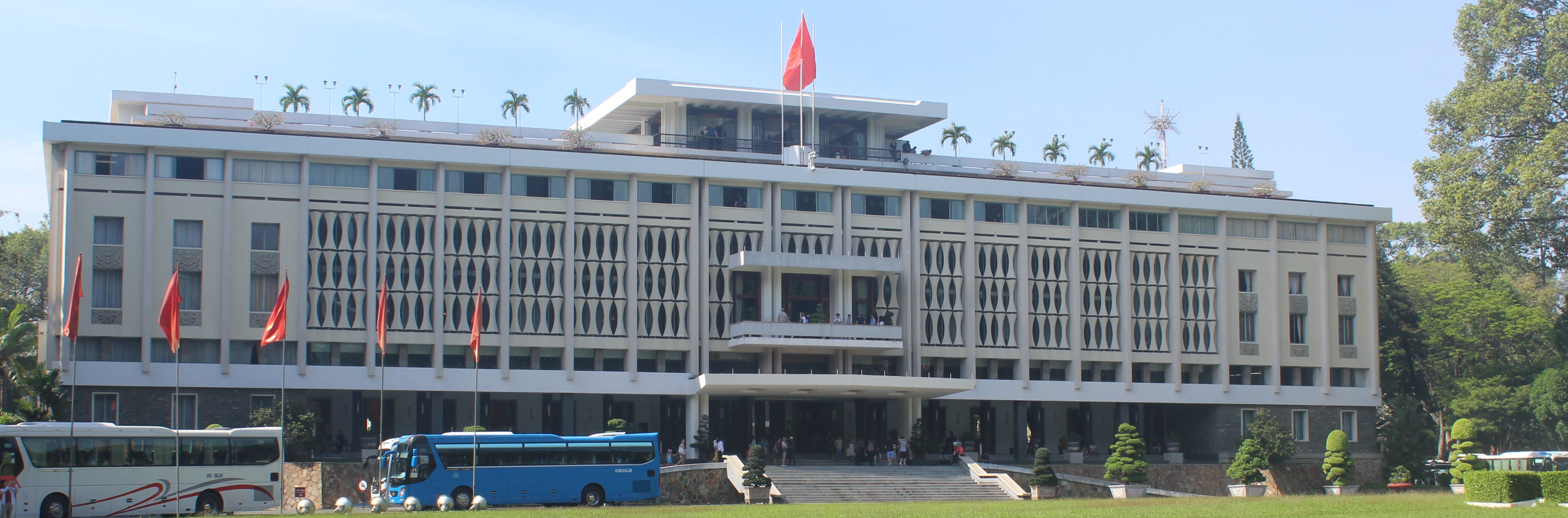
The Independence Palace was the home and workplace of the President of South Vietnam during the Vietnam War. The Palace was built in 1962 after the original office space for the President was destroyed in an assassination attempt – however, the site had seen years of French leadership as It was the site of the Governor’s Palace when the French took over Vietnam. The Palace saw one of the most if not the most significant event of the Vietnam War – on 30th April 1975, a North Vietnamese tank burst through the gate and pointed its turret at the palace gate, and effectively ended the war. They do have a replica of a tank on the main lawn and seeing the model I imagined the moment where years of fighting finally came to an end.

War Remnants Museum
This was a real eye-opener. Like I said before, the Vietnamese didn’t hide the atrocities committed by the United States and its Armed Forces in the years of conflict that finally ended in 1975. The museum was stocked with photos from the war, recollections of soldiers, and all kinds of artillery used. There was a section devoted to the US Involvement in the war, with excerpts from Senators asking for the war to be over. The main field was decked with tanks and helicopters used, and the heavy guns were surrounded by kids waiting for their parents to come back outside.
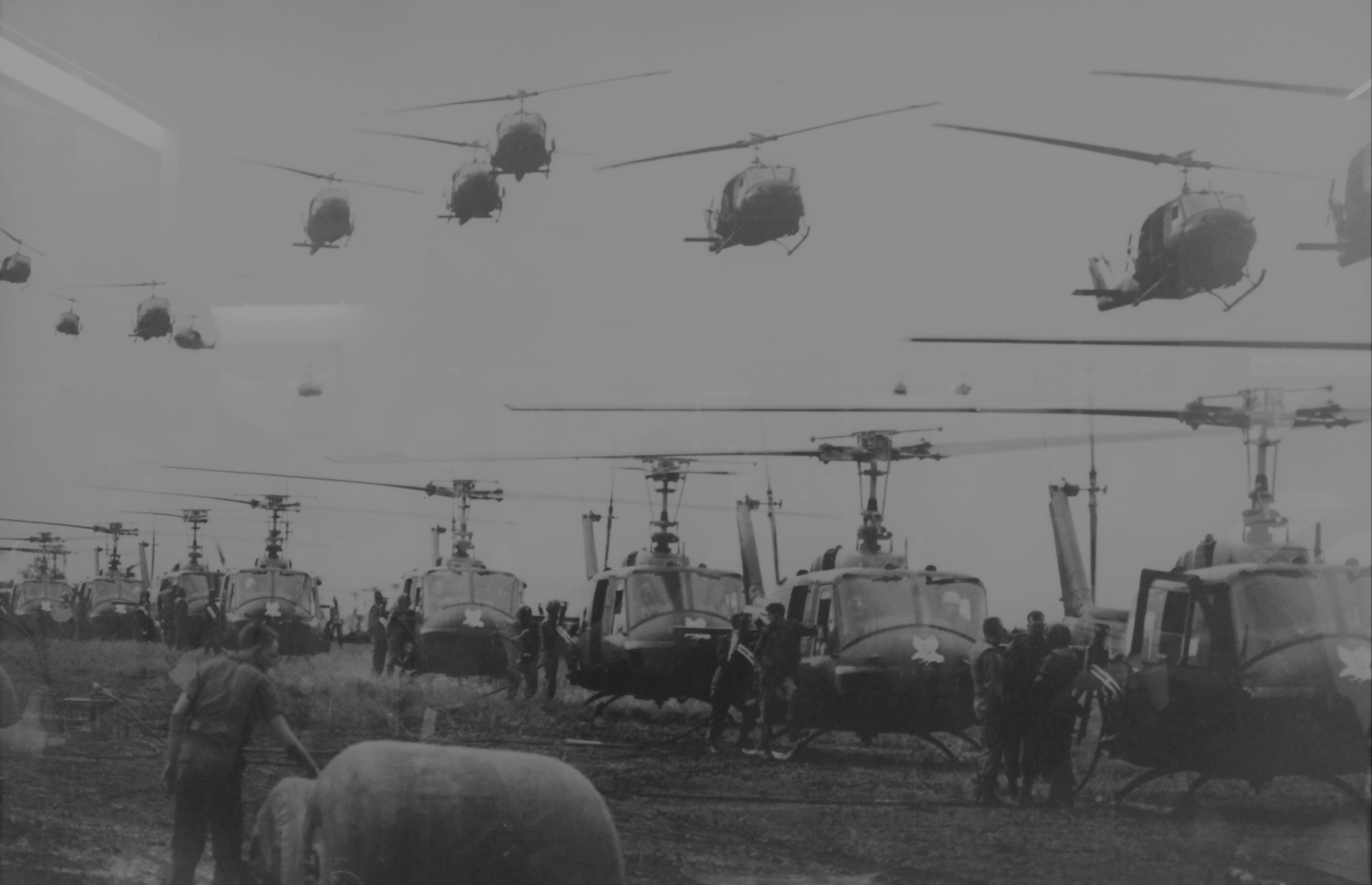
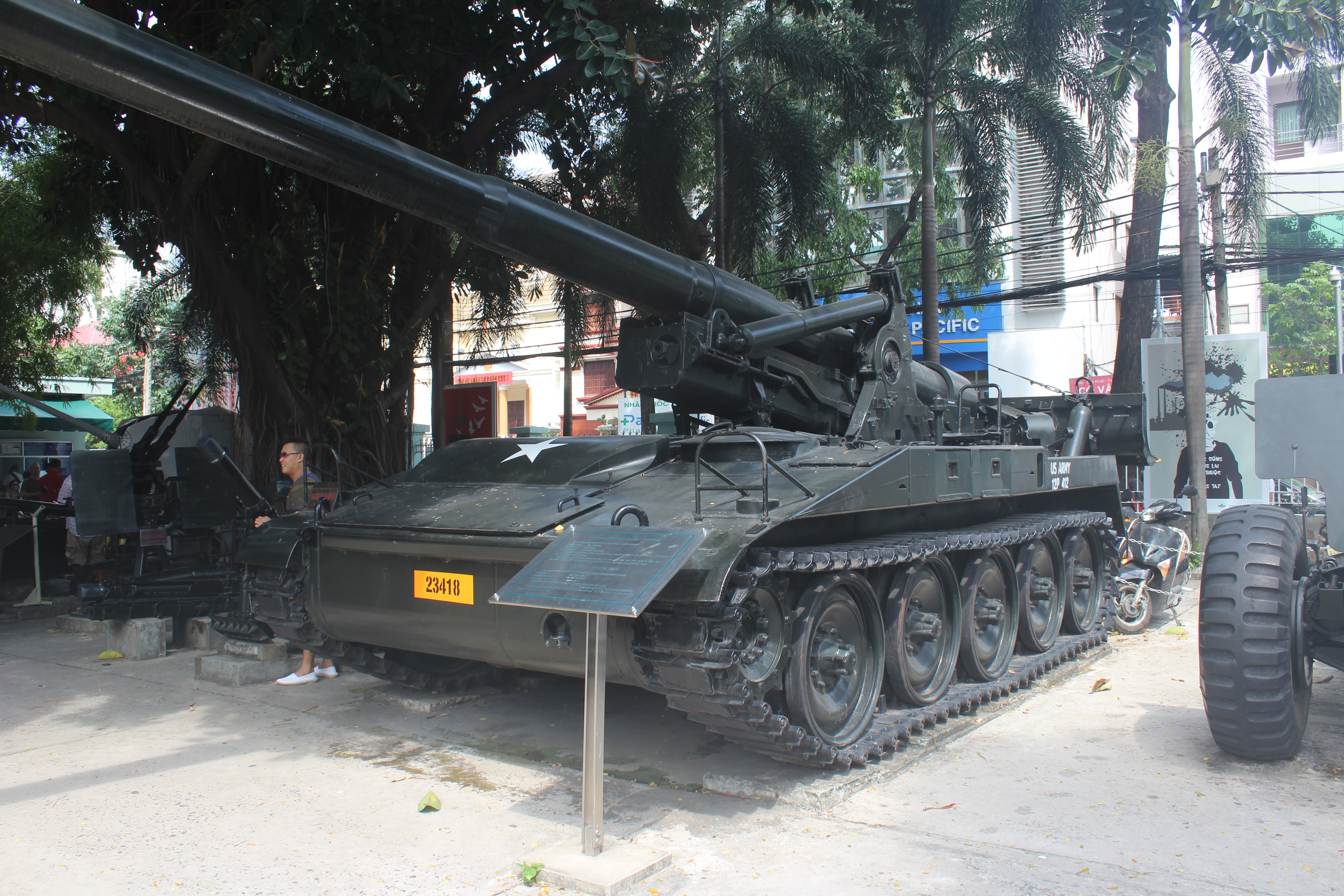
The museum gave a very different viewpoint of the events that took place in the country. Almost every other museum, film, or article published in the United States or by most authors from around the world show the US Army as liberators of a country, freeing it from the ‘hands of death of Communism’. But this museum showed exactly what this faction had done to liberate the country.
I was confronted by the saddest thing I have ever seen, and what’s worse is that it took over an entire floor: The use of Agent Orange. This was a chemical used by the US to hamper the growth of forests so that they could flush out the Vietcong from their hiding spots in the foliage. However, Agent Orange was nothing short of a biological nightmare that genetically affected millions of Vietnamese, as their villages were doused with this poisonous substance. As a genetically damaging substance, Agent Orange has caused deficiencies of the highest order amongst the general population, with no foreseeable cure in sight. Furthermore, this genetic disorder is passed on to successive offspring, which could stunt their growth and multiply in their body. This act was nothing short of mass genocide on the part of the Americans.
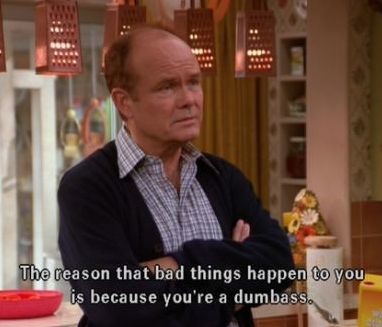
What’s worse is that the general population of the world has no idea about Agent Orange, the ruthless tactics used by foreigners against a native population and the fact that there was no legal basis for any conflict, thus making this was illegal on an international scale, subject to all sorts of punishments under the violence of human rights. ‘That 70’s show’ is a popular 90s sitcom about the 1970s, and and one of my favourites. However, there are certain dialogues sprinkled throughout the show that makes a viewer question the policies of the government during that time. For example, the show’s protagonist, Eric Forman, and his conservative father fought on many occasions about the various wars that were fought during their lifetime – Red Forman had served in World War II and Korea in 1953 and was a strong supporter of the Vietnam war that took place when this show was set. Eric questions his father’s undying allegiance to his country’s war efforts by making comments about Vietnam or the ongoing tensions with Russia and is always shot down with a comment from Red that almost always ends with ‘Dumbass’. Furthermore, Eric doesn’t understand his father’s hatred towards Communists which is seen where is writes papers about the ‘Loss in Vietnam’, or the nuclear race with Russia. Often, I think of their dynamic and realize that Red, a respectable war veteran may not know what actually went on in Vietnam, and may not even fully understand why the Communists may be bad. He is an active example of war propaganda working, and its effect on the general public.
Lots of other books that I have read about that period (Heads you win, Sins of the Father, Eye of the Needle) show young boys getting draft notices at 18 to mandatory service in the army. It shows us the mental toll this takes on the family and the boy. This is just one of many reasons why the war was despised by the public – virtually, the government was only doing this to snatch a stalemate from the cold hands of defeat.
America’s military spending is something that made me want to write this blog after 1 ½ years – their defense budget largely outweighs education and healthcare, which has dealt a severe blow to the country during this pandemic. It is not unknown that the American Healthcare system is broken, and so the immense pressure for treatment of this virus has affected every person involved – right from the doctors to the patients to the federal government. Without enough expenditure in the system, there is no way they can bounce back from this point – however, the country has voted out some of the few people that could do this. Their unnecessary expenditure abroad on the military is, at this point, just to save face.
Getting back to the point, the War Museum is a great place to spend more than an hour if you’re excited about museums and history.
Cu Chi Tunnels
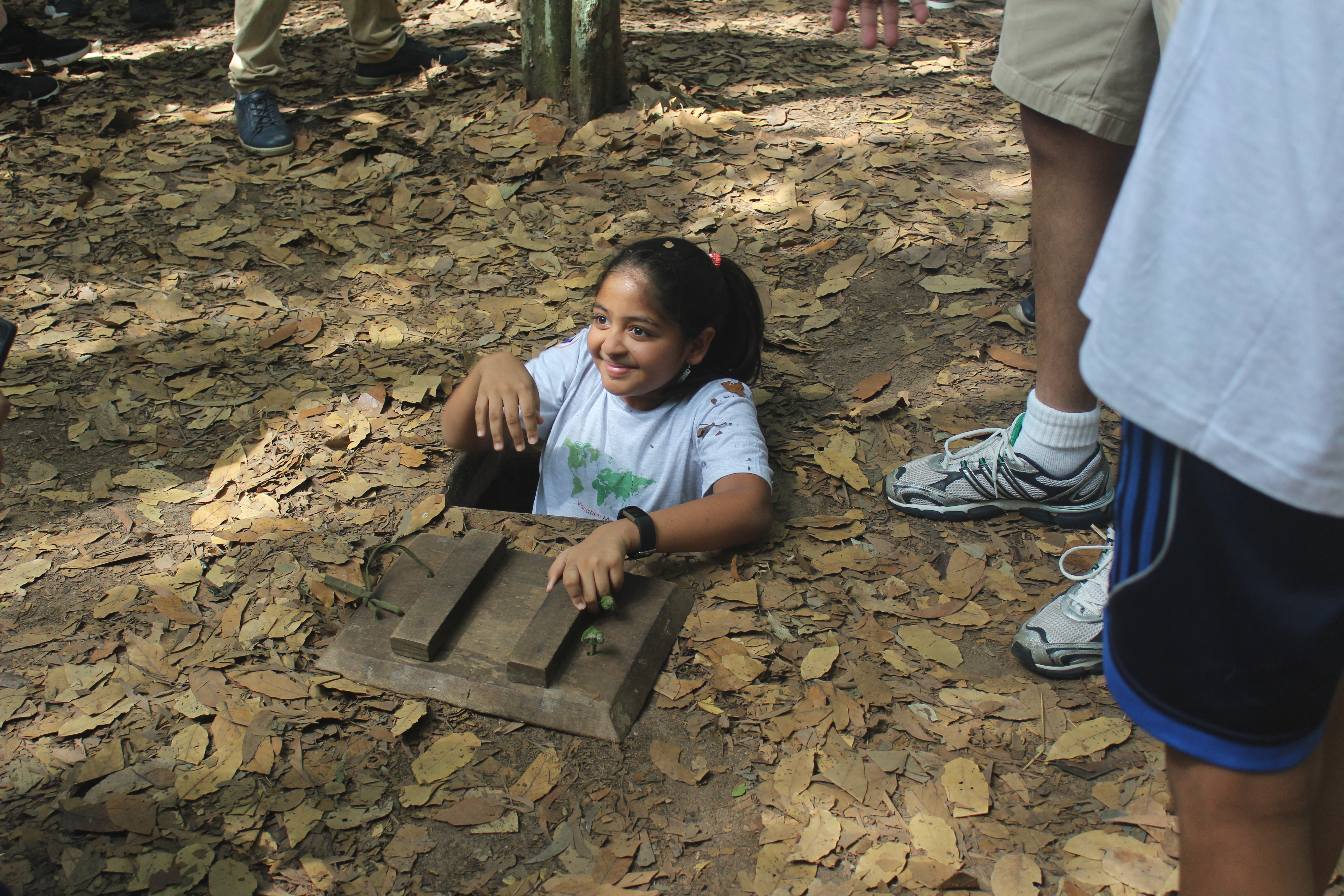
A highlight of the trip, the Cu Chi tunnels are a must-see for everybody. Located about 2 hours from HCMC, this subterranean military sight displays the different ways of getting around undetected employed by the Vietcong, fighting for North Vietnam. The place is extremely interactive, as one can see the different kinds of tunnels that were dug – a series of tunnels for moving around, traps laid in the group that unsuspecting troops could fall in and instantly die, and other deadly traps that could only be placed by a member of the Vietcong.
Again, Vietnam has done a great job in making historical locations as attractive to tourists as possible – there were great guides spotted throughout the location, they retained the natural landscape while making a path that was easy to walk on, and had live demonstrations of all the traps and tunnels. They had a kilometer-long tunnel dug in the ground where tourists could climb in and squeeze through to the other side. Us kids could make it through, but many other adults could barely fit. These tunnels were built for the small frame of the Vietcong and were incredibly useful for them to move around undetected and sneak up behind enemy lines.

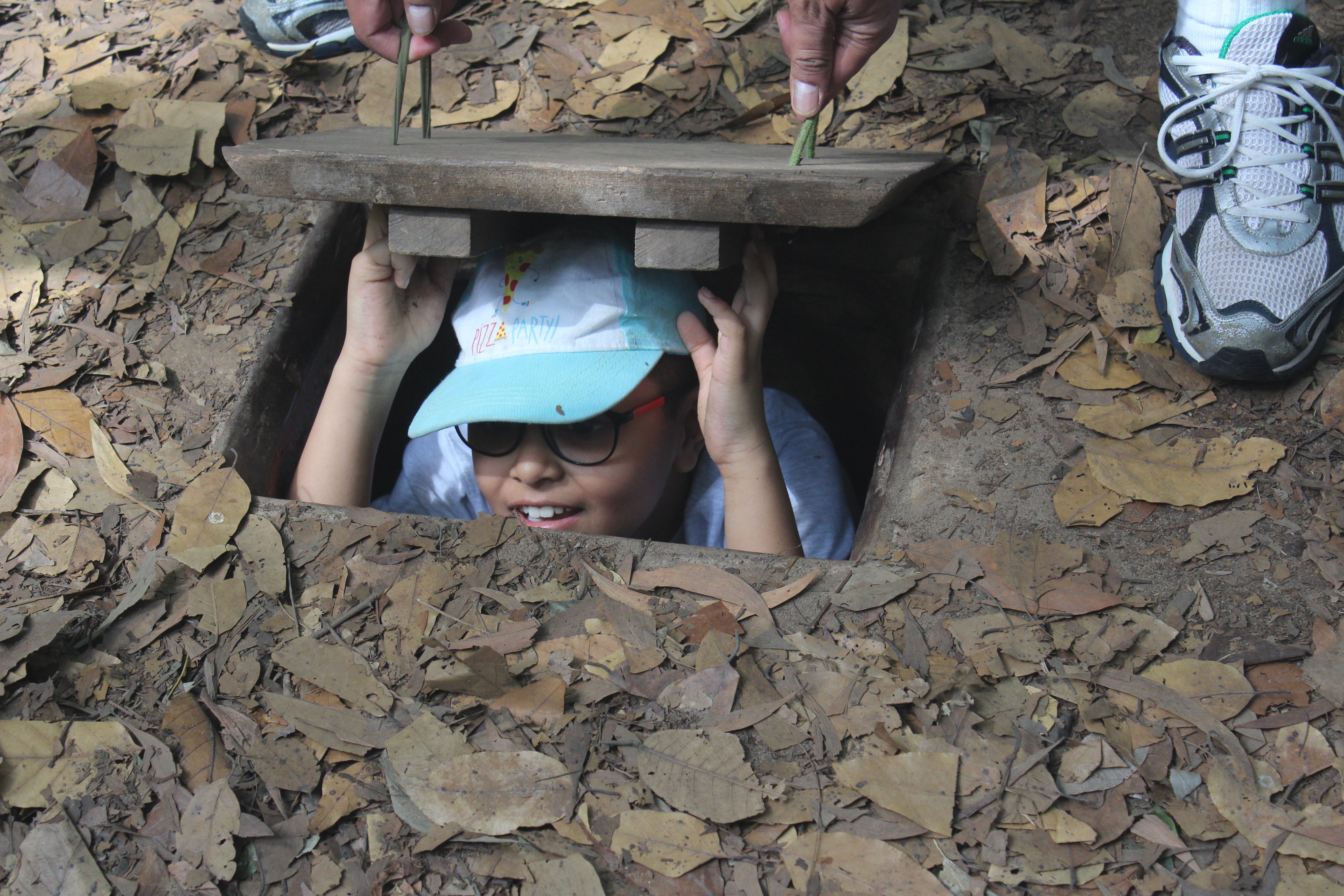
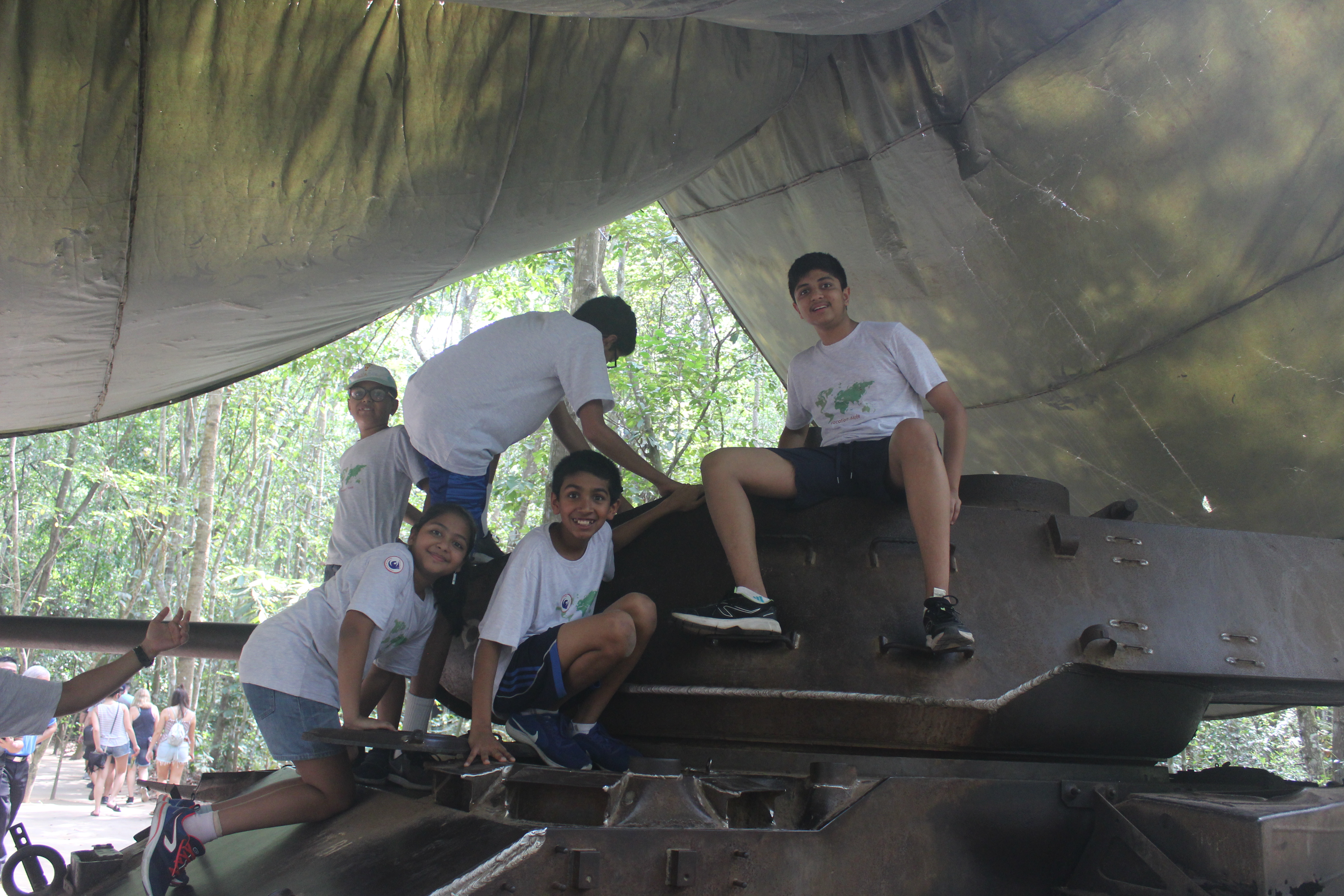
But more than the site, the drive to the site is what intrigued me. My ever-resourceful aunt had gotten us a minivan that seats 14, so everyone went together – a friendly bonus was our driver. My grandfather and I started making conversation, and luckily I was sitting in the front, far away from the noise. Our driver told us the reality of living in a communist state – specifically restrictions on property and land, small business, and other life-changing policies. Getting this information from a real tangible source accentuated the dry history – book content.
Da Nang
Apart from Ho Chi Minh City and the capital Hanoi, Da Nang is the next biggest tourist destination. We flew out of HCMC in the afternoon in a more-comfortable-than-expected Vietnam Air flight to land in Da Nang where we were whisked away to our hotel for the next three days. And it was beautiful.
We had four apartment-like hotel rooms in the Ocean Villas resort which was planned like a mini-colony. Apart from the usual amenities, there were a lot of fields and pools – but the highlight had to be the beach. There were cycles for rent, and often in the morning, we would go through a winding route to the beach to feel the breeze.
The first morning we were there we went to the oceanfront, and we were lucky to have done so as the next two days were filled with rain and choppy waters, leaving the beach and all its activities closed. However, that morning of the water was as fun as you would want it to be – we seemed to be the only family that woke up at 730 to go to the water, and that allowed all us to soak in the glistening water under the pink sky.
Hoi An
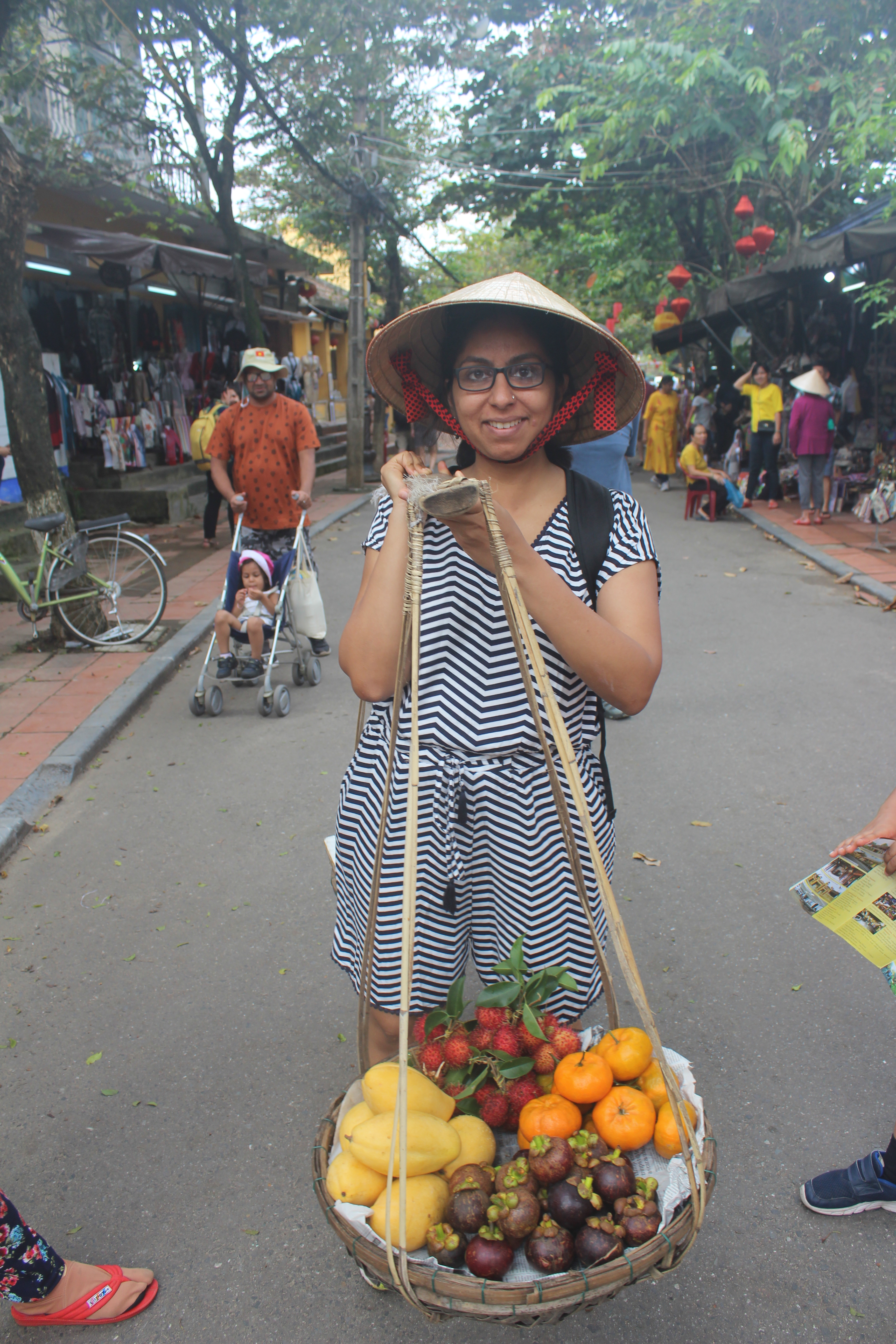
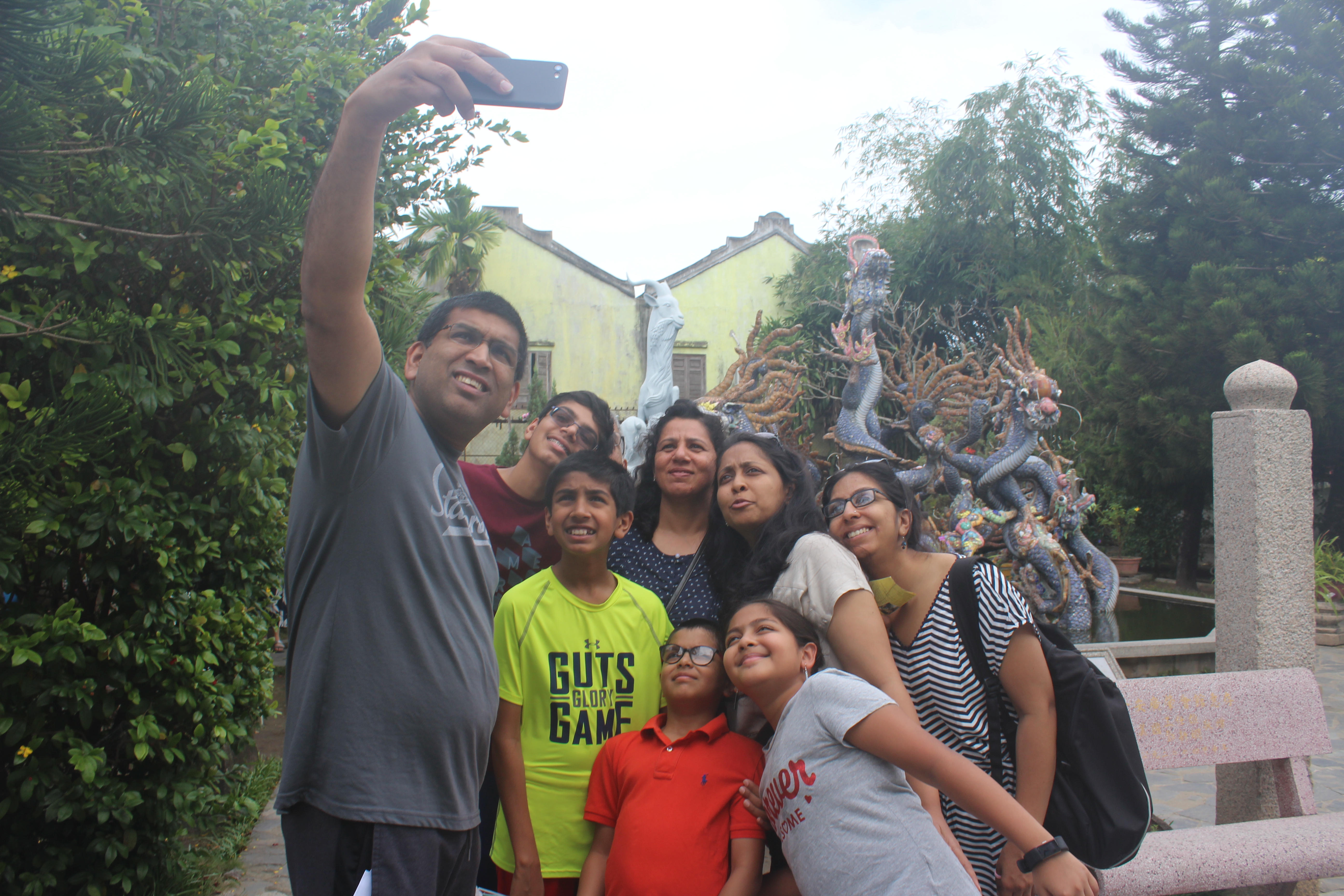
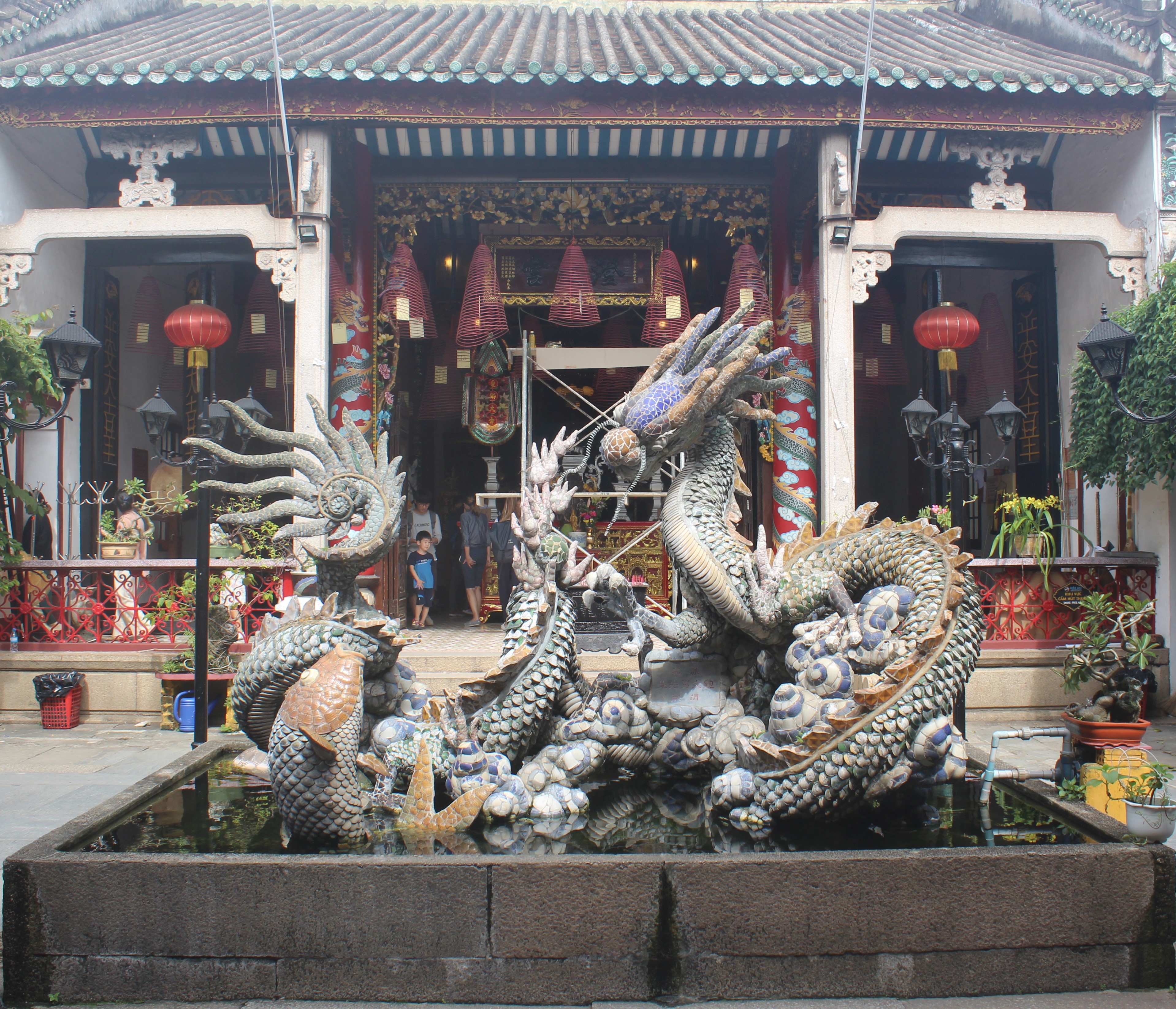
A car ride away from Da Nang is the small locality of Hoi An – well planned and tourist-friendly, Hoi An was bustling with excitement and energy as we joined the holiday crowd sooner than we expected. We were able to rent cycles to soak in all the different temples and monasteries – this did result in some of us getting lost, but we left with 14 so not a problem. Each temple had its elegant façade, a unique dragon, and huge double doors that encased a courtyard. The dragons made of a type of stained glass glistened in the light rain.


Marble Mountain
The weather in Da Nang was unforgiving and cost us a couple of hours of sightseeing each day. However, this lost time was made up for with the great food that we found. Most of the vegetarian restaurants sold the same thing in different ways, but you could always count on the local sidewalk café for authentic pork and beef items.
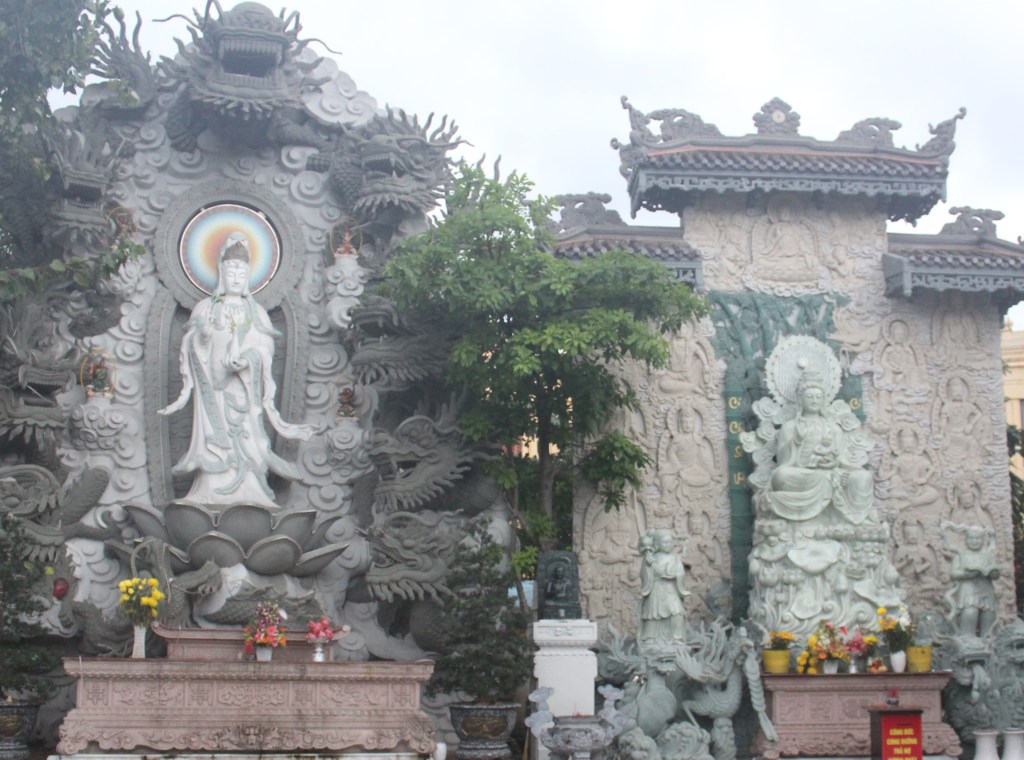
Close to our hotel was a famous attraction – marble mountain – a mountain filled with original statues made of, you guessed it, marble. The fun part of that excursion was the fact that it was extremely last minute and we had to catch a flight. We had been putting it off on account of the bad weather, but I was adamant to at least see it before we left the city. I hurriedly booked us a cab and called out to those who wanted to go. This did not go over well with some of the planners, but luckily my aunt volunteered to take us. We had only 15 minutes to finish this – as soon as we reached the mountain, we started climbing the step. As others stopped intermittently to soak in the view, our group rushed up, snapping pictures every 200 steps. As we reached the top we saw a huge statue, but we were more concerned with getting the next lift down and getting back to the hotel before the clock ran out.
Never in my life have I gone for an excursion to just tick it on a list. I do not plan on doing it again.
Well, this blog was 1 ½ years in the making. When countries make an effort to make themselves more tourist-friendly it does pay off. Egypt and Vietnam have excelled in this sphere. Vietnam isn’t shy about its history. The country has taken the 20-year long conflict and marketed it so well that it attracts millions of tourists every year. The people were cordial, used to foreigners, and did their best to trick white people into buying products at insane prices.
It doesn’t seem like we will be traveling at all for the next 9-12 months at least – but that does give us a lot of time to use the holidays to catch up on reading and other hobbies we might have.
Stay home. Stay safe.
 Gravityfalls
3 replies on “Vietnam”
Finally and I am so happy to see you Evolve… from a dairy to a interesting account and feel of the country…. you had to write much more about the coffee.
Never had such wonderful coffee
LikeLike
I could remember every detail of guide opinion about the current political system .And very efficient export economy. Raghav you have made the trip again. Keep writing. All the best for your skill.Nana.
LikeLiked by 1 person
Dear Raghav: this is really well written, and gave me an opportunity to happily relive our Vietnam holiday to a large extent. Kudos for a well written piece, witty, whimsical (Red Foreman, really?!), well researched denoting history in contemporary terms, with nice anecdotes! You’ve captured the culinary updates well, and i of all the fellow-travelers can attest to that – yours truly excessively gorged upon the Pho and Bahn mi ! Hat tip for the black coffee allusion, it was indeed truly bitter (as truth tends to be!?), and phenomenal. I cannot blame you for nary a note of appreciation for the fantastic local beers and that is in no way a surprise – another decade to go for that! This is a travelogue that a Lonely Planet or a Bladt guide would be glad to publish! Your reasoning of what triggered you to finally write this 1.5 yrs after the holiday – military spending – is poignant. But lets remember those 2 weeks more for the joy, fun, food (gosh, not those theplas), frolic and family togetherness. You also deserve some credit for having been a dependable errand boy to fetch water, bread and coffee at our beck and call. At the fear of this commentary getting to be longer than the actual travelogue, i end here. Congratulations on writing with passion, and to quote Oscar Wilde, for having the ability for playing gracefully with your ideas! Love .. Kanna
LikeLiked by 2 people