
This is a separate blog and an excerpt from my blog: The daily blog of a tourist visiting the USA: Day 2.
I have written this separately because I loved the Museum of Flight so much I wanted to write more on it. So if you haven’t read the blog mentioned above, first read that.
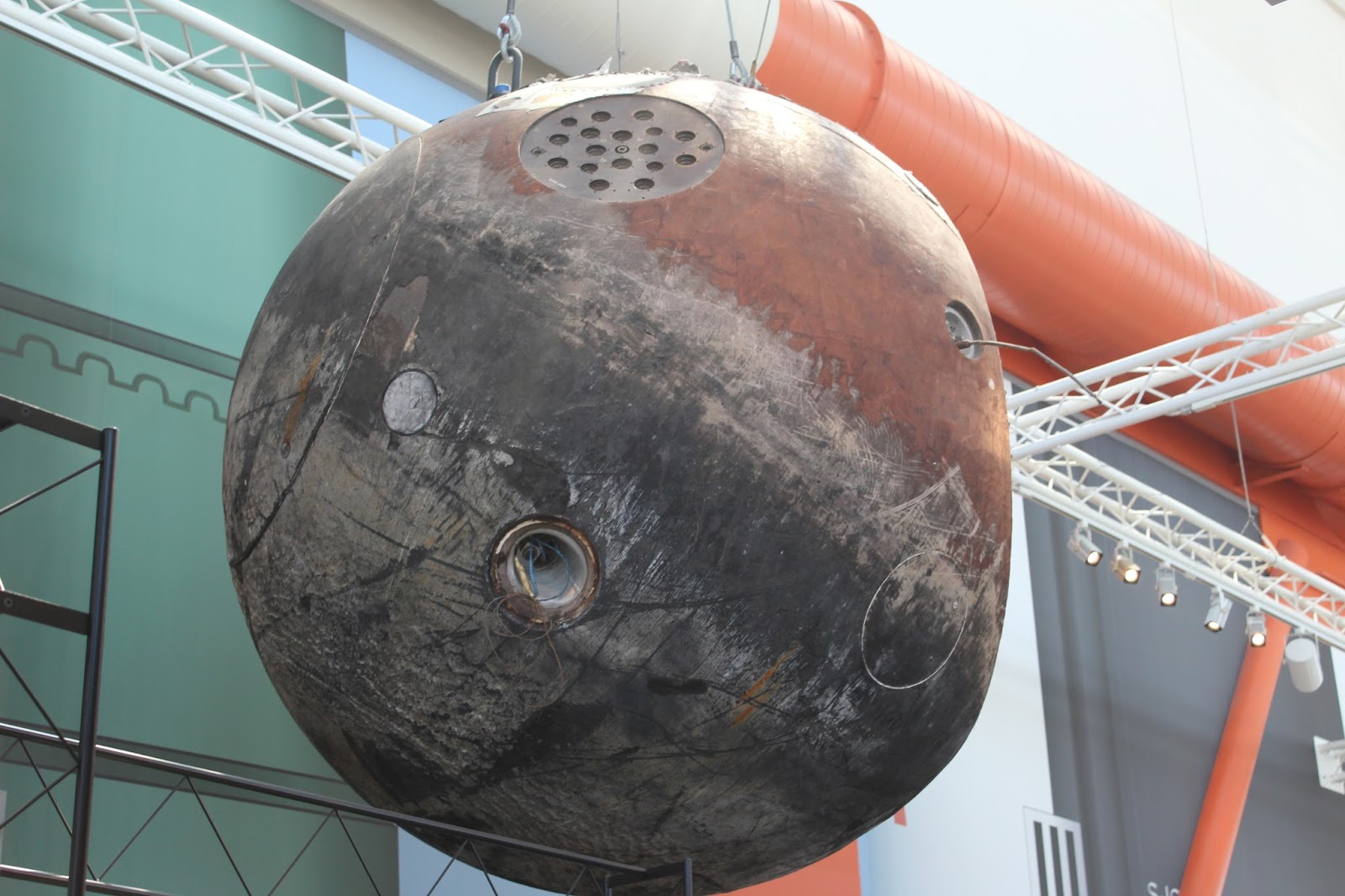
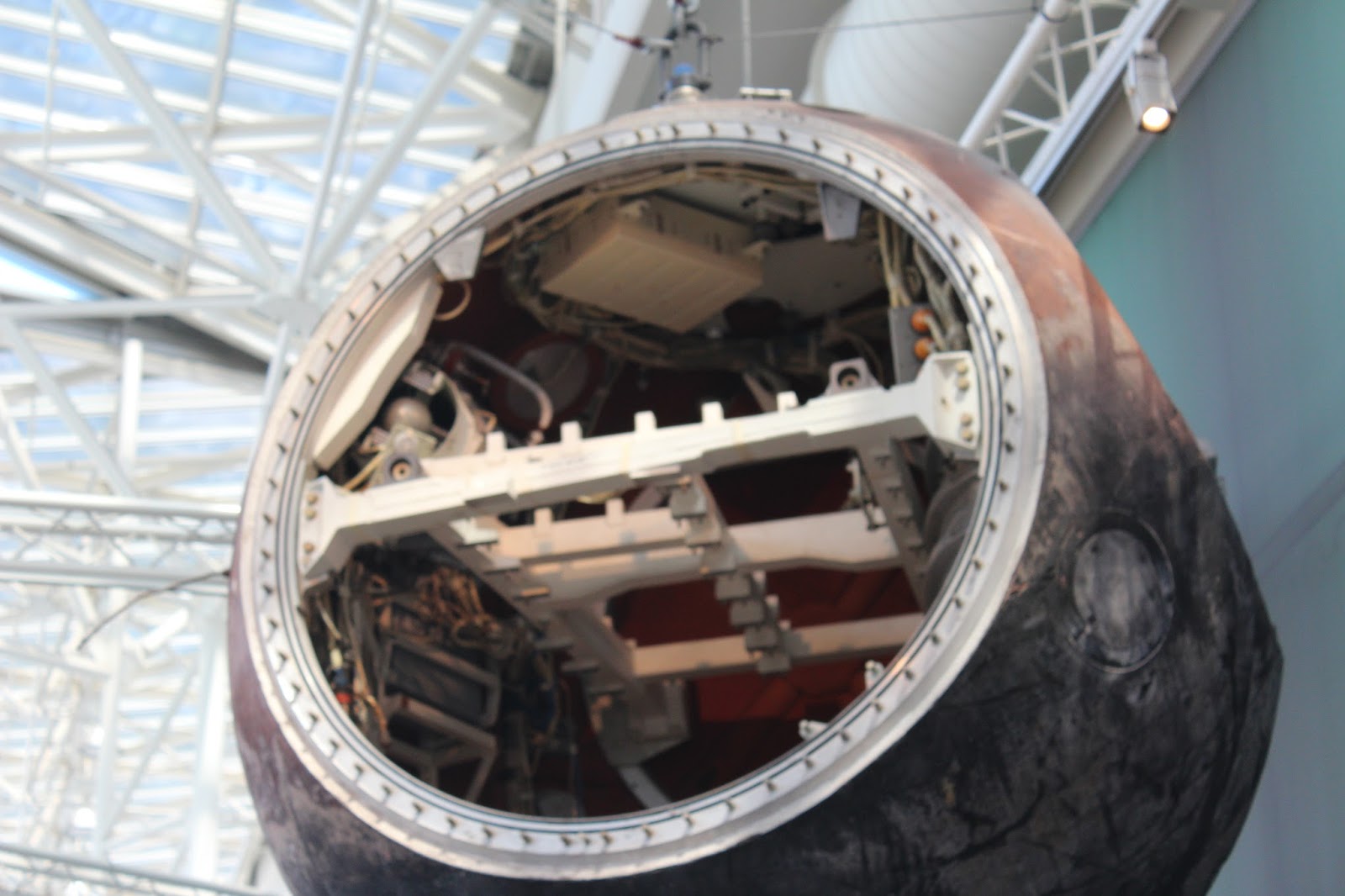
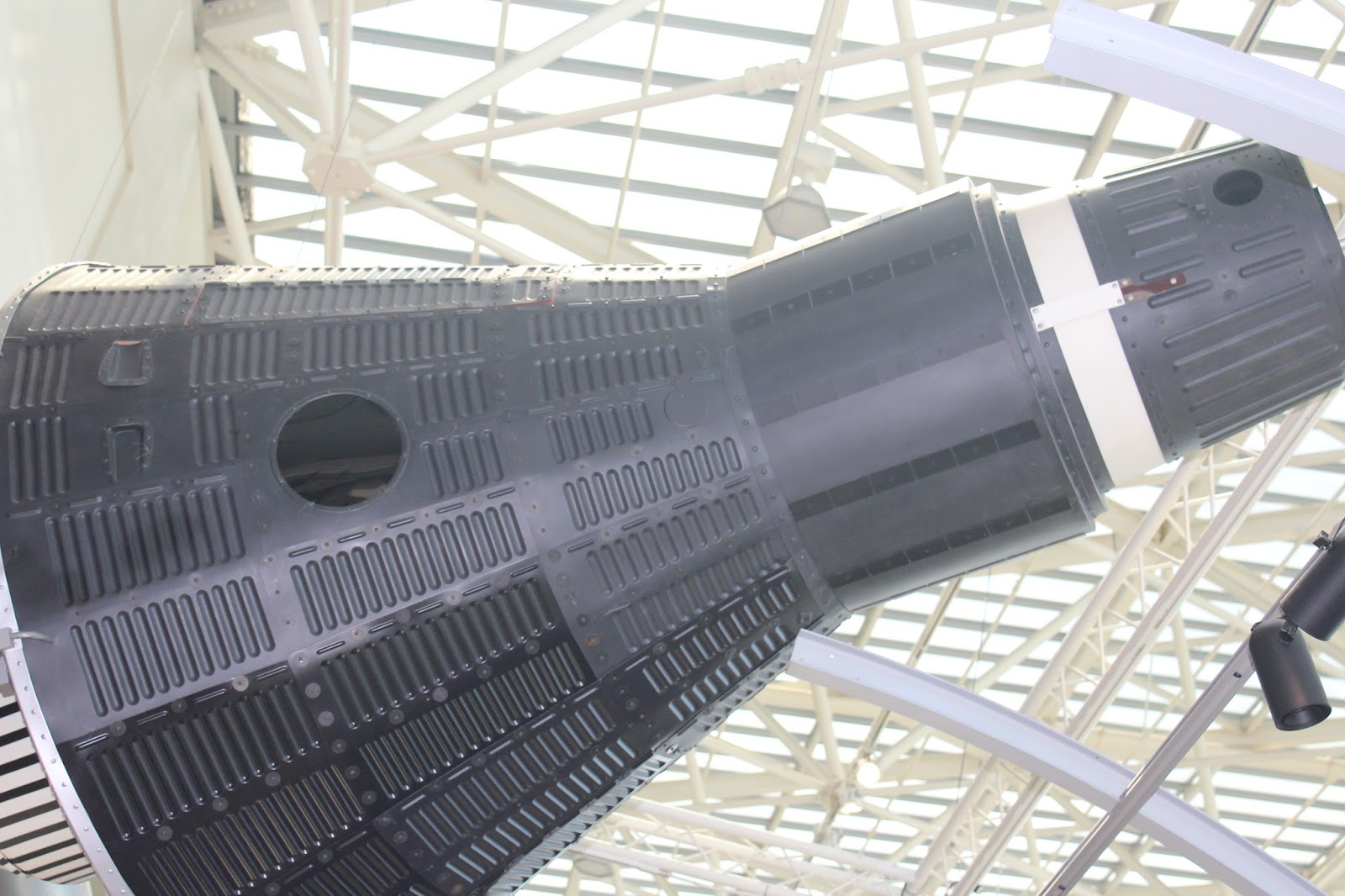
This is the Earth module of a space shuttle. When a space shuttle is entering the Earth’s atmosphere it needs a lot of fuel to break through the atmosphere and becomes even hotter. Parts of it fall of after it’s used and sometimes it literally breaks apart into smaller pieces. So they made this module to help the astronauts reach Earth safely and not in pieces.
So they would need to sit in this module which would be in the front when they are about to enter the atmosphere. At the right time they would eject and then this would have already crossed the atmosphere and it would fall towards the earth, hopefully to land in water. At the right time the parachute would be ejected and they would safely land.
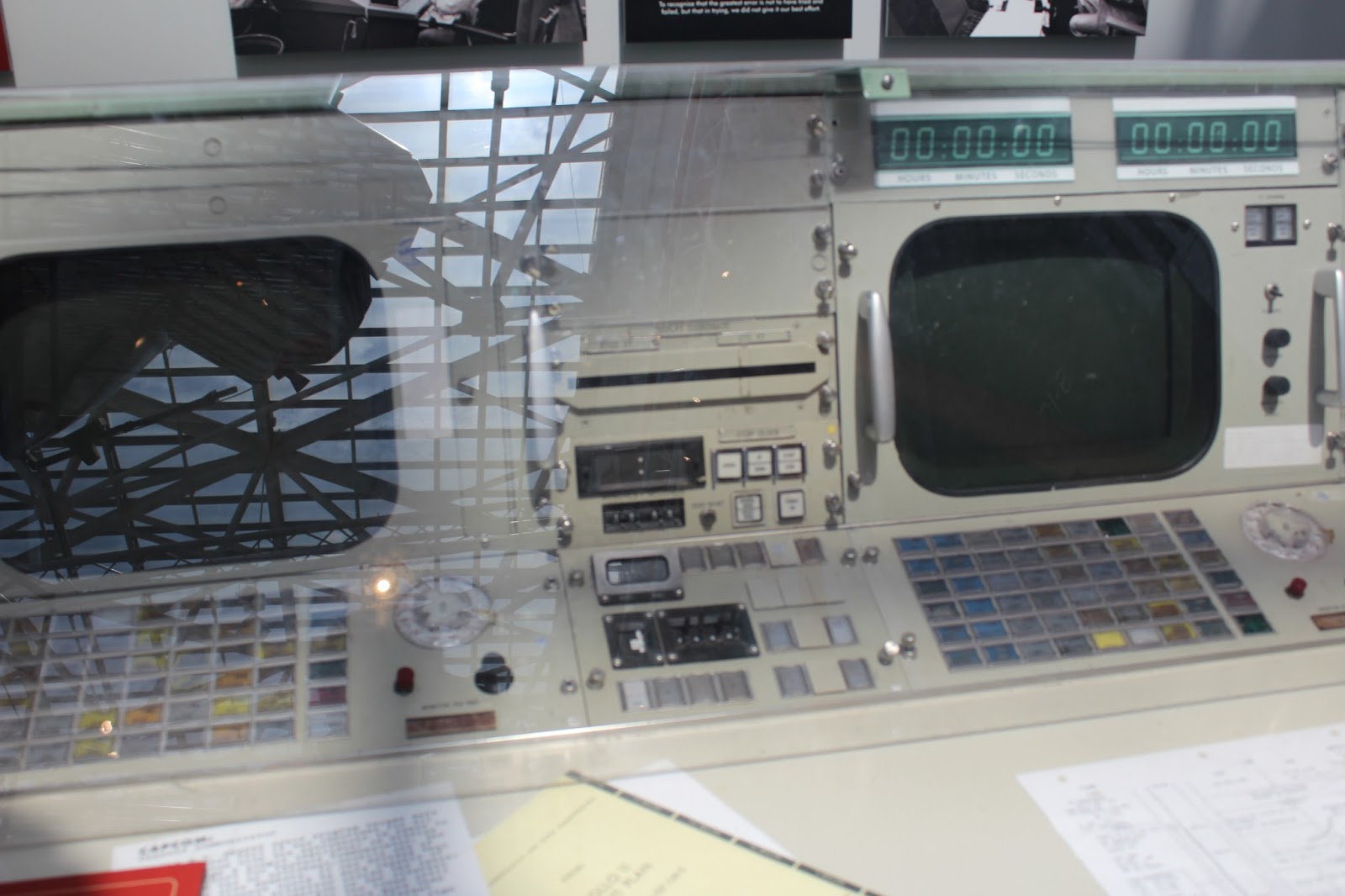
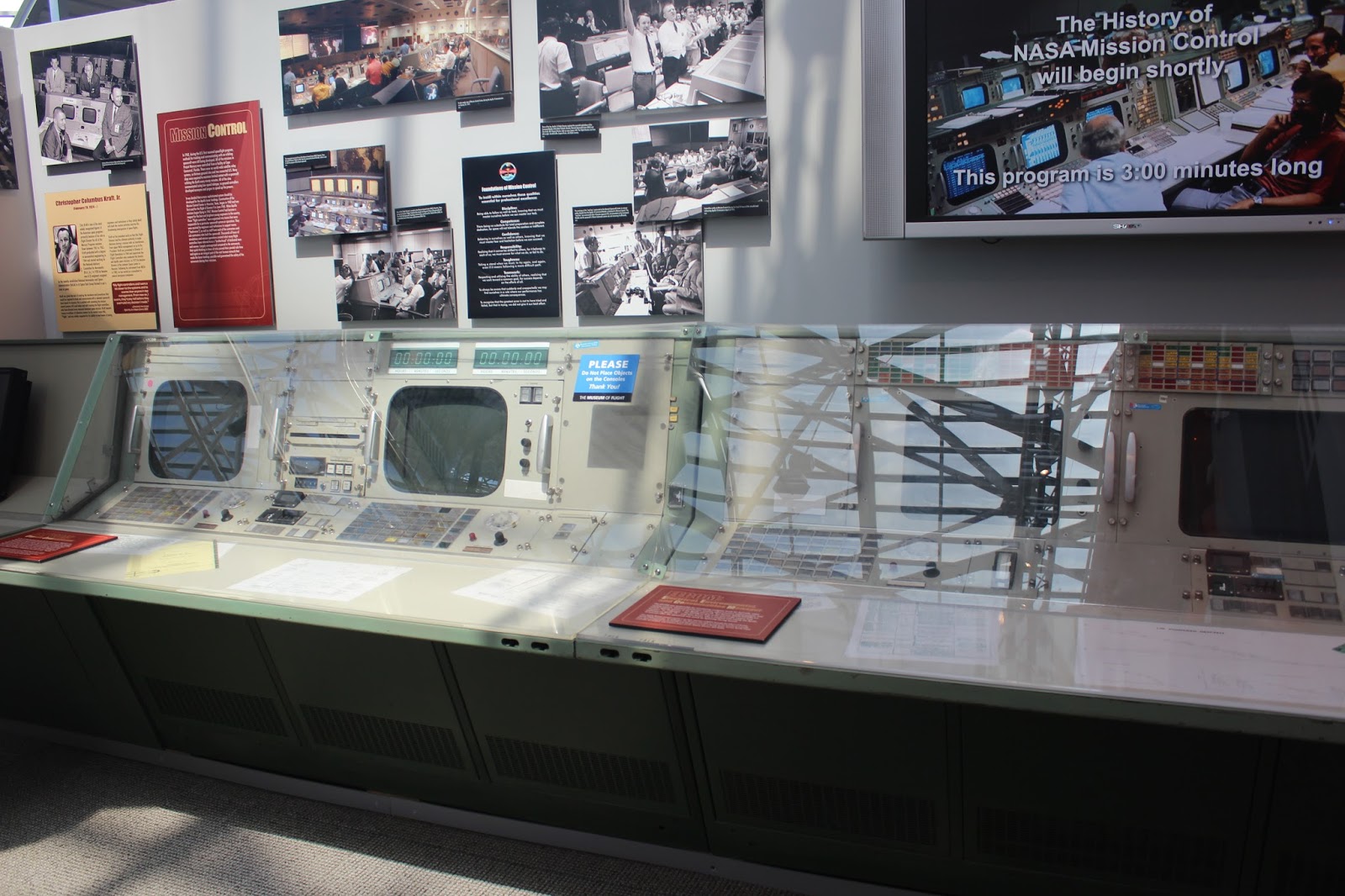
This is a replica of one of the control panels present in the mission control room. It is an extremely important part of space travel because they help the astronauts in everything from distance and velocity and how to bring back your coffee back into your cup when it floats.
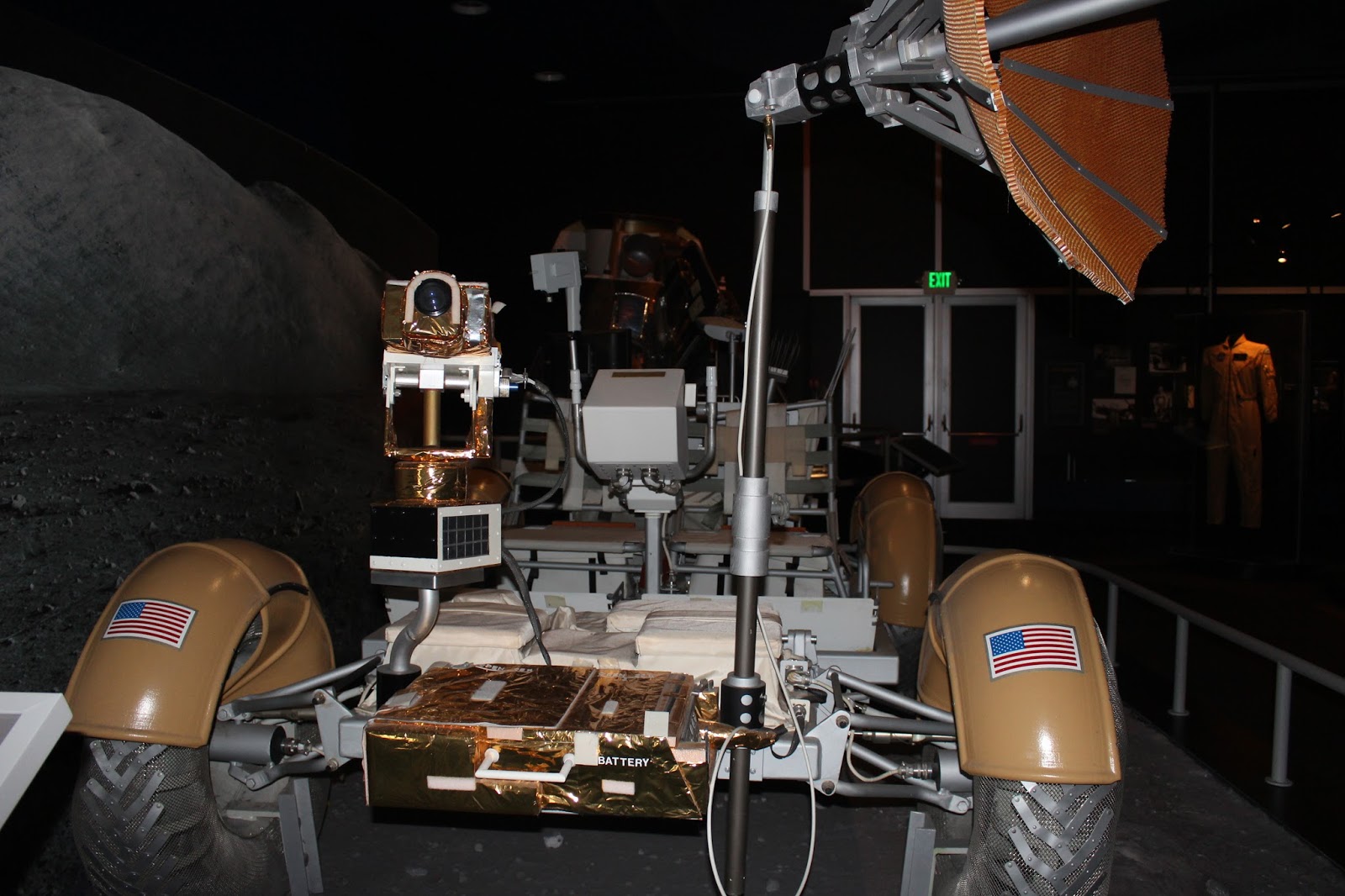
This is the lunar rover that was used in Apollo missions 15-17 for further examination of the moon
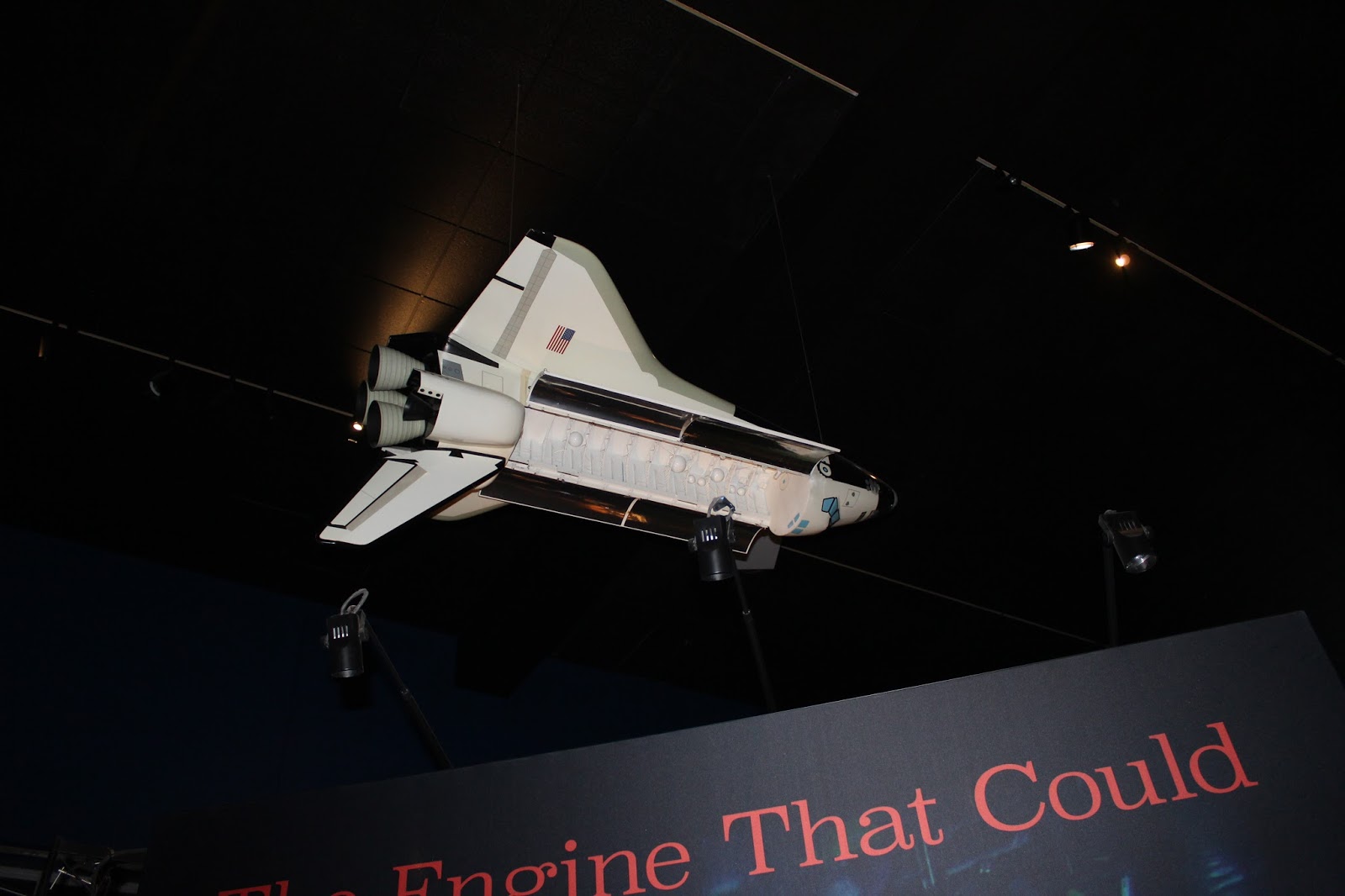
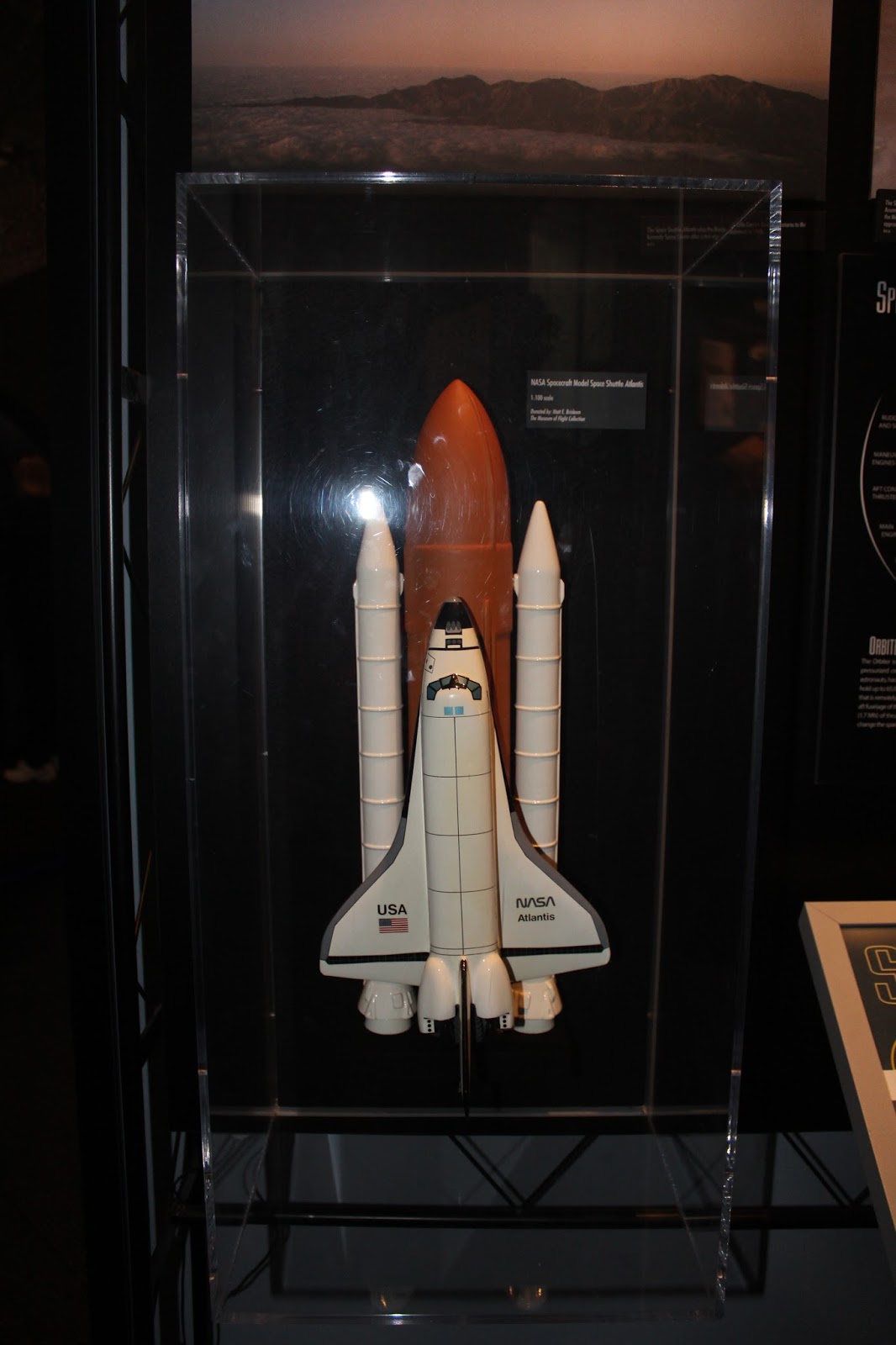
This is a space shuttle that brings back people from orbit.

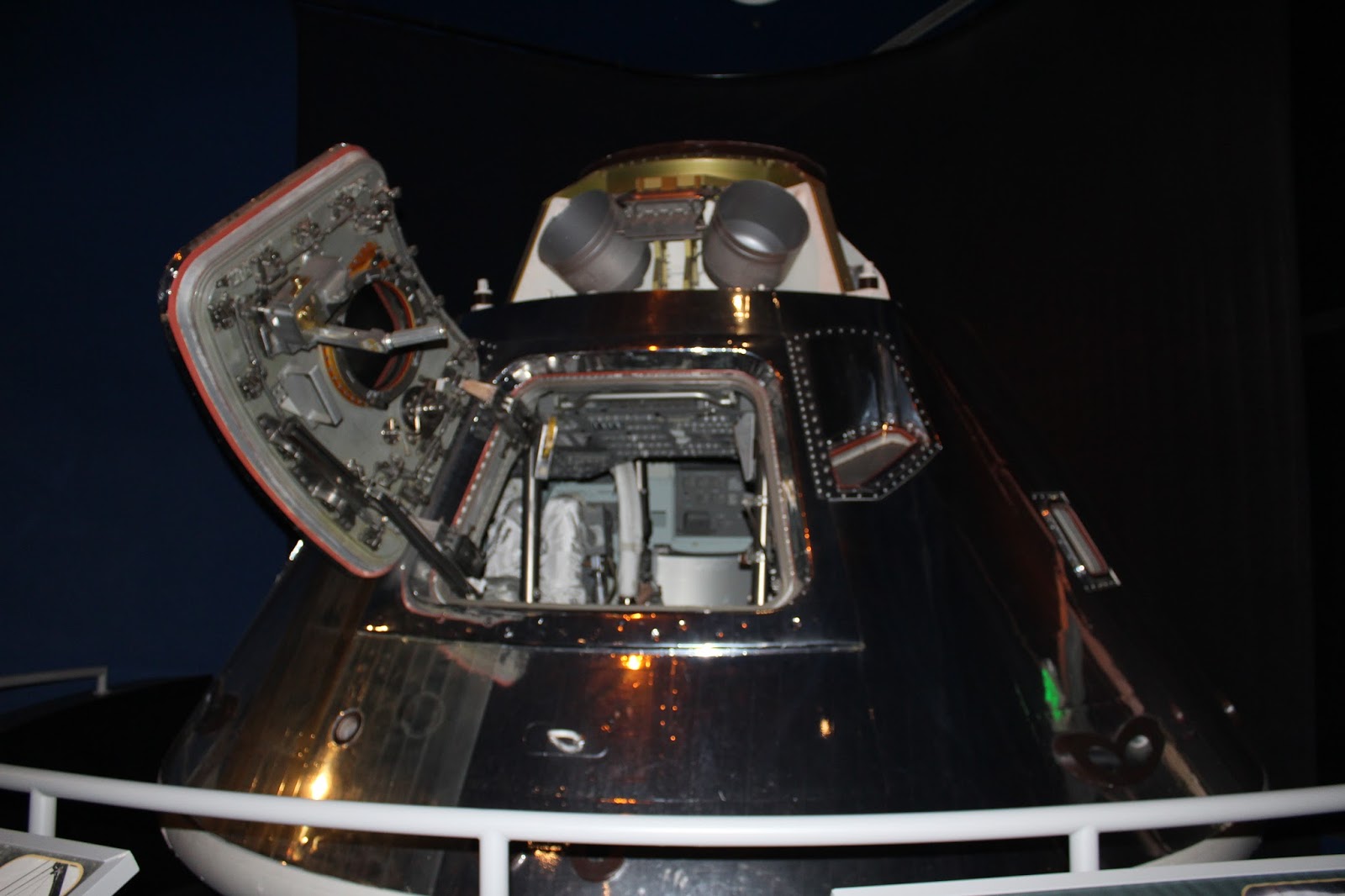
This is the lunar landing module used by Apollo 11. This housed Buzz Aldrin and Neil Armstrong on their trip to the moon. It would be cheaper and faster to just bring the space shuttle down but it would need more boosters to get out of Earths gravity and so more weight and lesser chances for it to reach back to the Earth. So they sent this down to the moon and on its way back when the astronauts were safely in their seats aboard the space shuttle they would leave this in space.

This is a solar powered rover that is used on Mars. It is an all terrain vehicle and can survive on Mars terrain. It has sensors and cameras which monitor things happening on Mars and feeds it back to Earth. Since it is solar powered it doesn’t need to be charged with complicated means.
Pioneer 10 was the first space craft to travel through the Asteroid Belt I between Mars and Jupiter. Pioneer 10 is farther from Earth then any other human space craft. It was approved in 1969 and launched on March 3, 1972 aboard the Atlas-Centaur Rocket.
There have been some missions to comets. The NASA-ESA International Cometary Explorer was the first space craft to fly by a comet. When ICE flew THROUGH THE TAIL OF THE COMET Giacobini-Zinner in 1985 theories confirmed comets to be dirty snowballs.
In 1969 American and Soviet space officials began discussing on the designs of a docking system that would allow spacecraft from both nations to link up in orbit, primarily to rescue crew members in emergencies. In May 1972, the two countries signed a five year agreement for cooperation in space that called for a joint flight to be called the Apollo Soyuz. The soviets launched their Soyuz spacecraft on July 15,1975. The Apollo spacecraft, fitted with the special docking module, was launched 7 hours later and successfully docked with the Soyuz. The crew shared prepared food while people watched them down on Earth. This joint flight, often referred to as ‘The Handshake In Space’ helped set the stage for future cooperation between then U.S. and the Soviet Union.
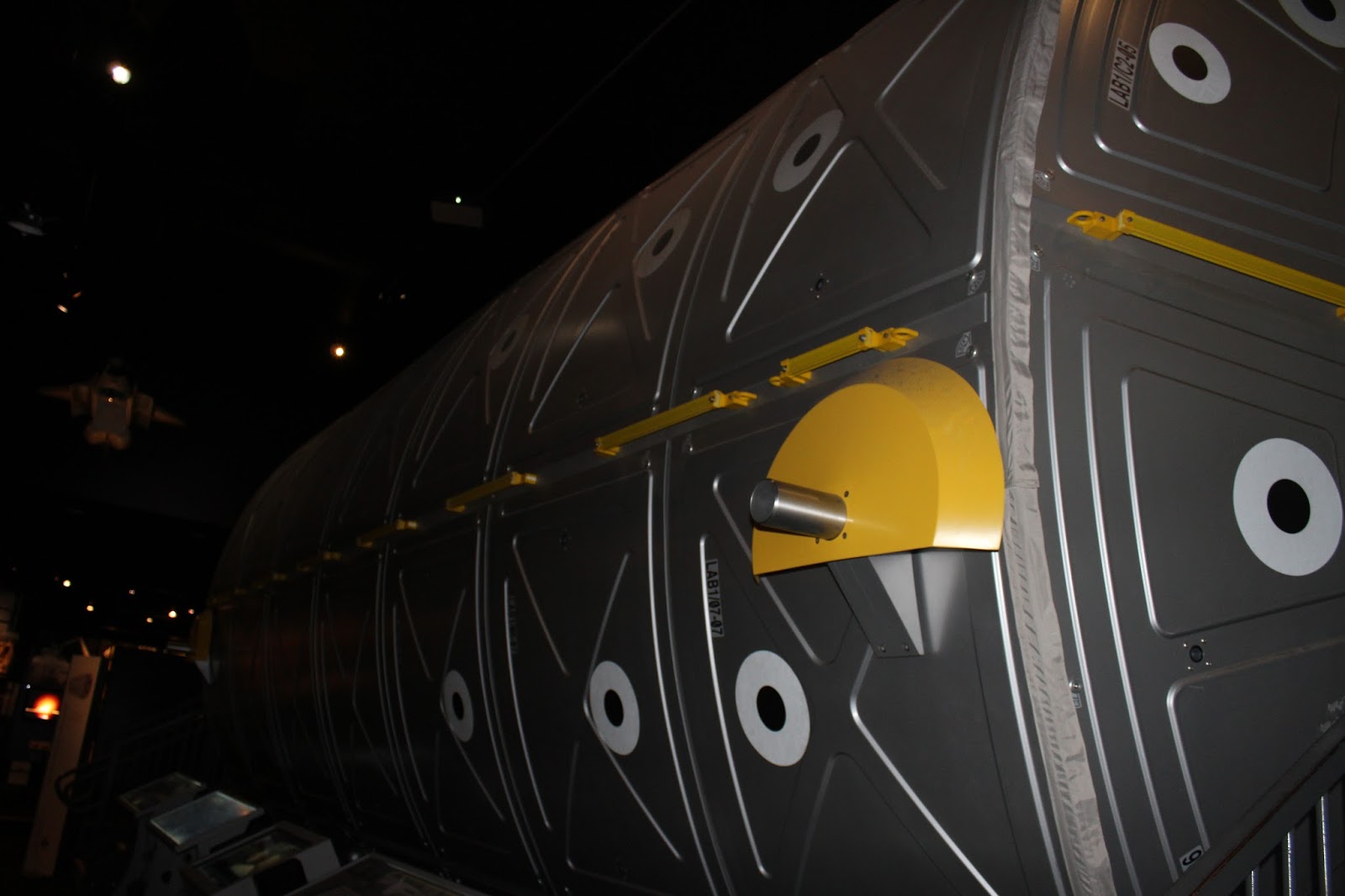
This is a part of the ISS (international space station). The ISS has been in space since 1998 and is a very expensive space craft. It is the joint effort of many countries and serves many purposes. Since it is very old things have started to fall apart and become useless. So instead of making a new one they send parts to be replaced. So they send these kind of capsules on rockets and the crew up there controls it and fixes it onto the ISS and leave the other part in space.
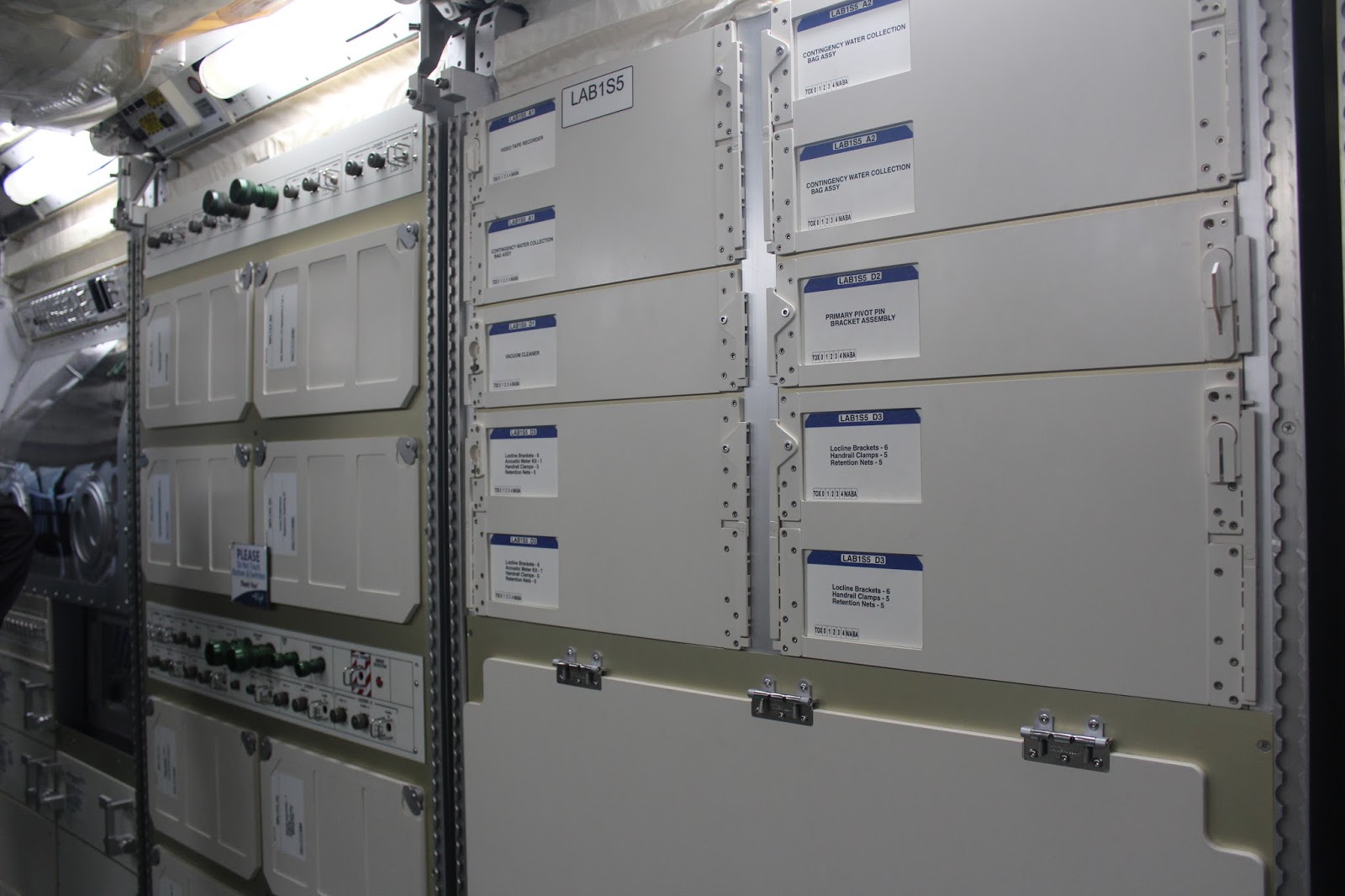
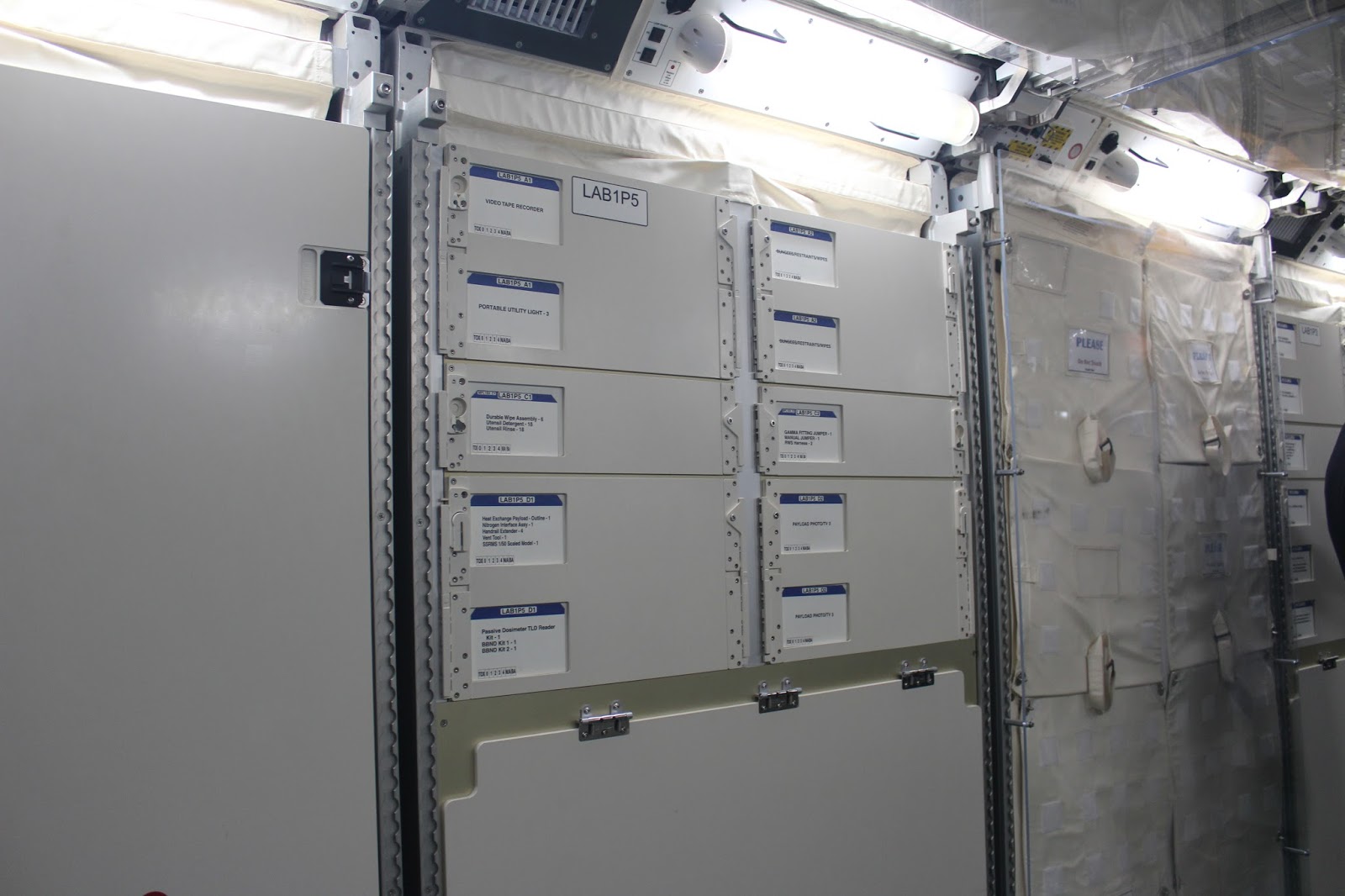
They have different capsules on the ship that serve different purposes. This one was probably a quarters for a astronaut. It has many containers that have the handrail clamps and ladders and other stuff that make it reachable and connectable from everywhere.
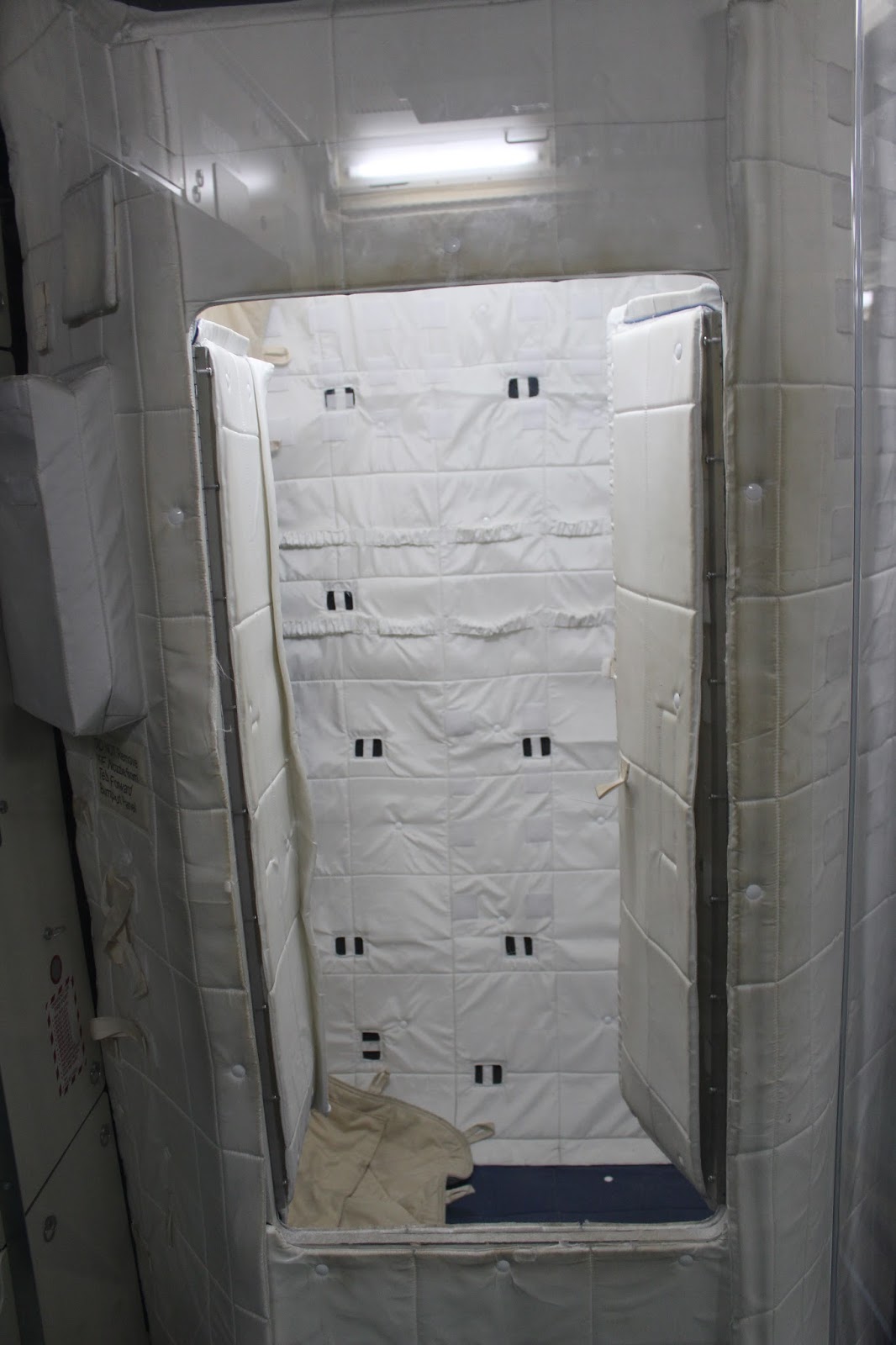
This is a sleeping area for an astronaut. As there is no gravity in space you are constantly floating around. So in these quarters there is a cap to hold your hair and hooks to attach to you sleeping bags so you don’t float around.
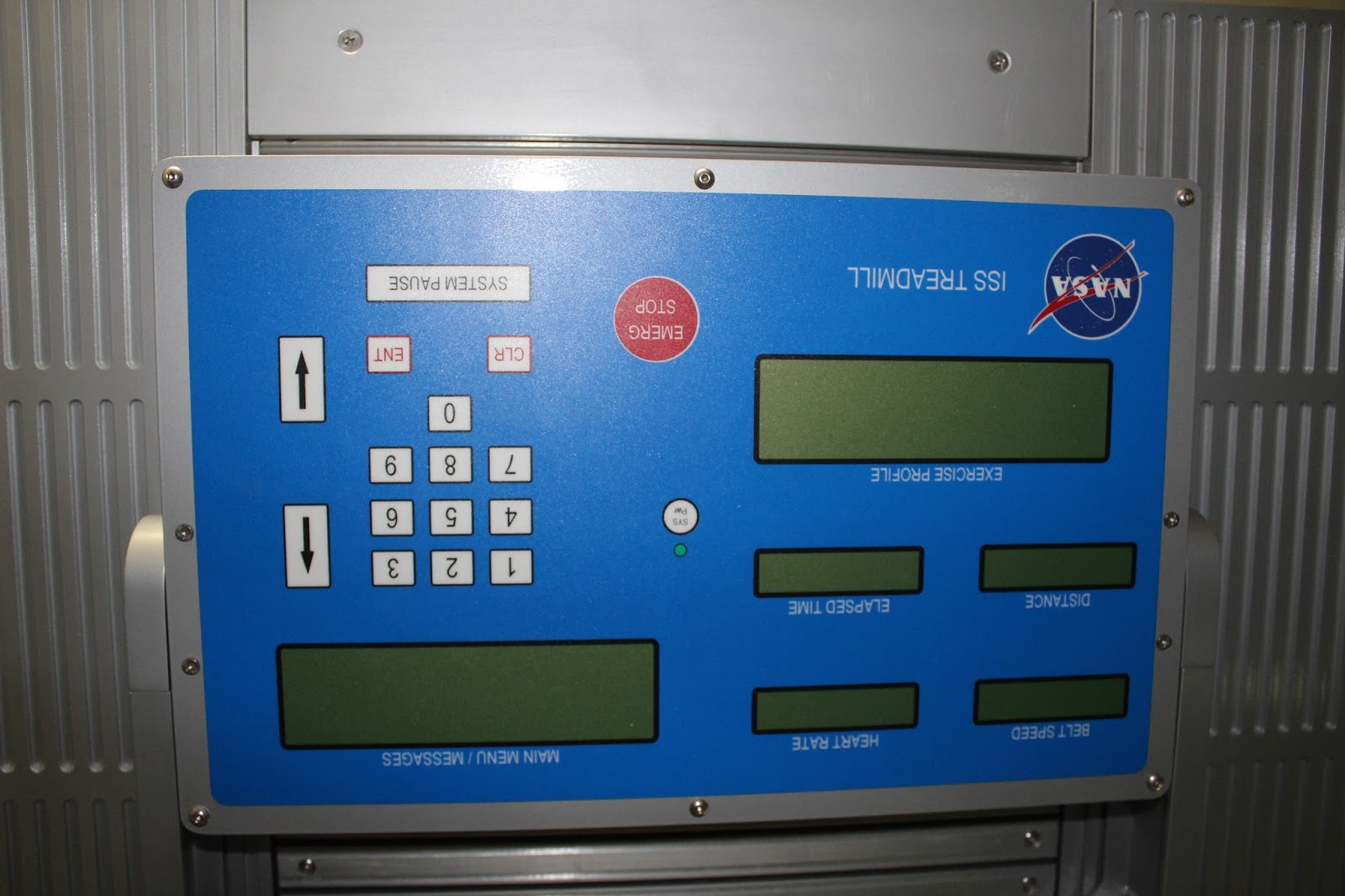
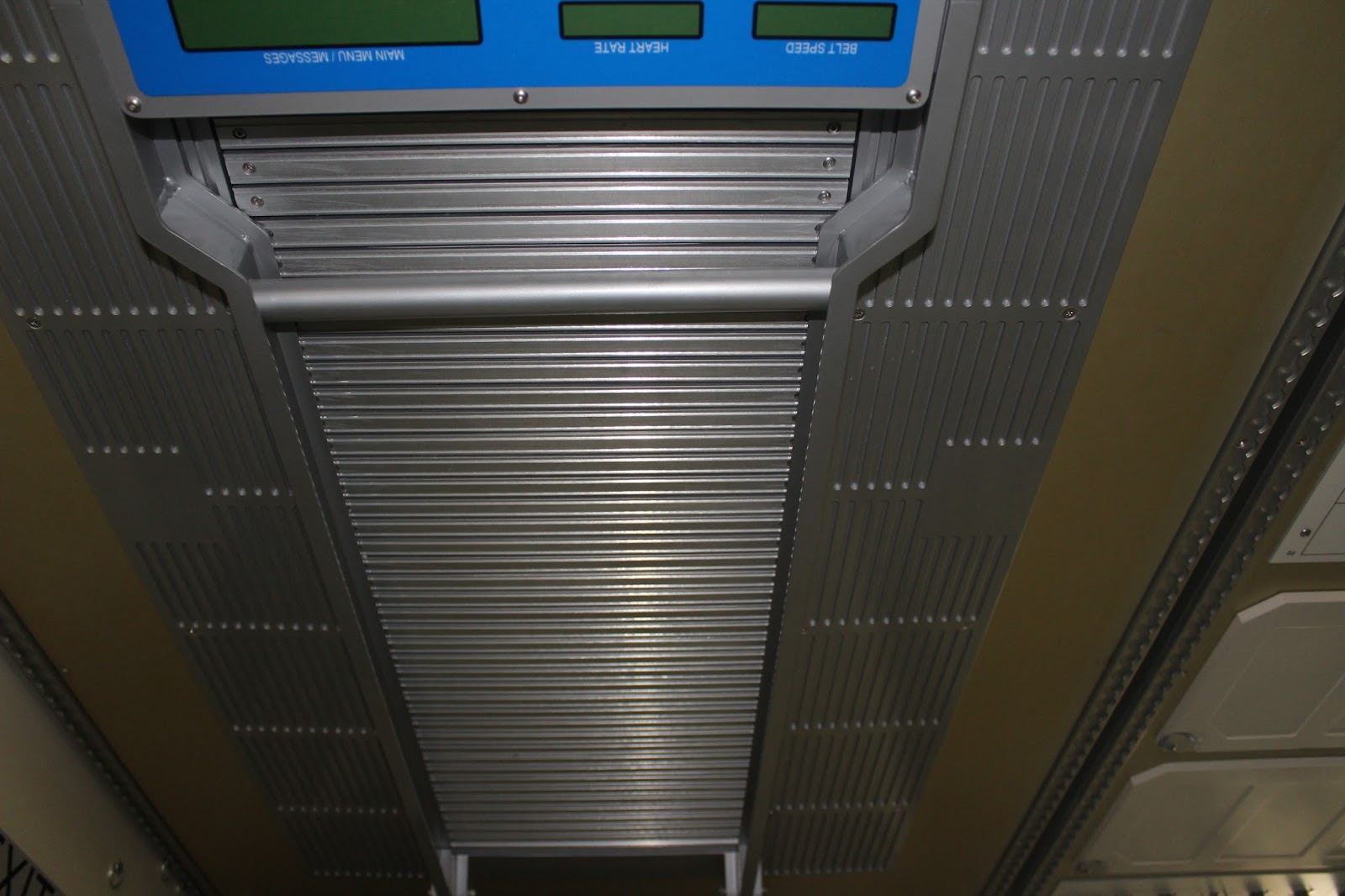
This is a treadmill. Your probably wondering why it’s on the ceiling. That’s because there was no gravity and so actually there was no ceiling or floor!
There was also a Apollo 11 lunar landing module simulator but is crashed. Unfortunately my mom was getting ticked off and so we moved on to the next set of displays.
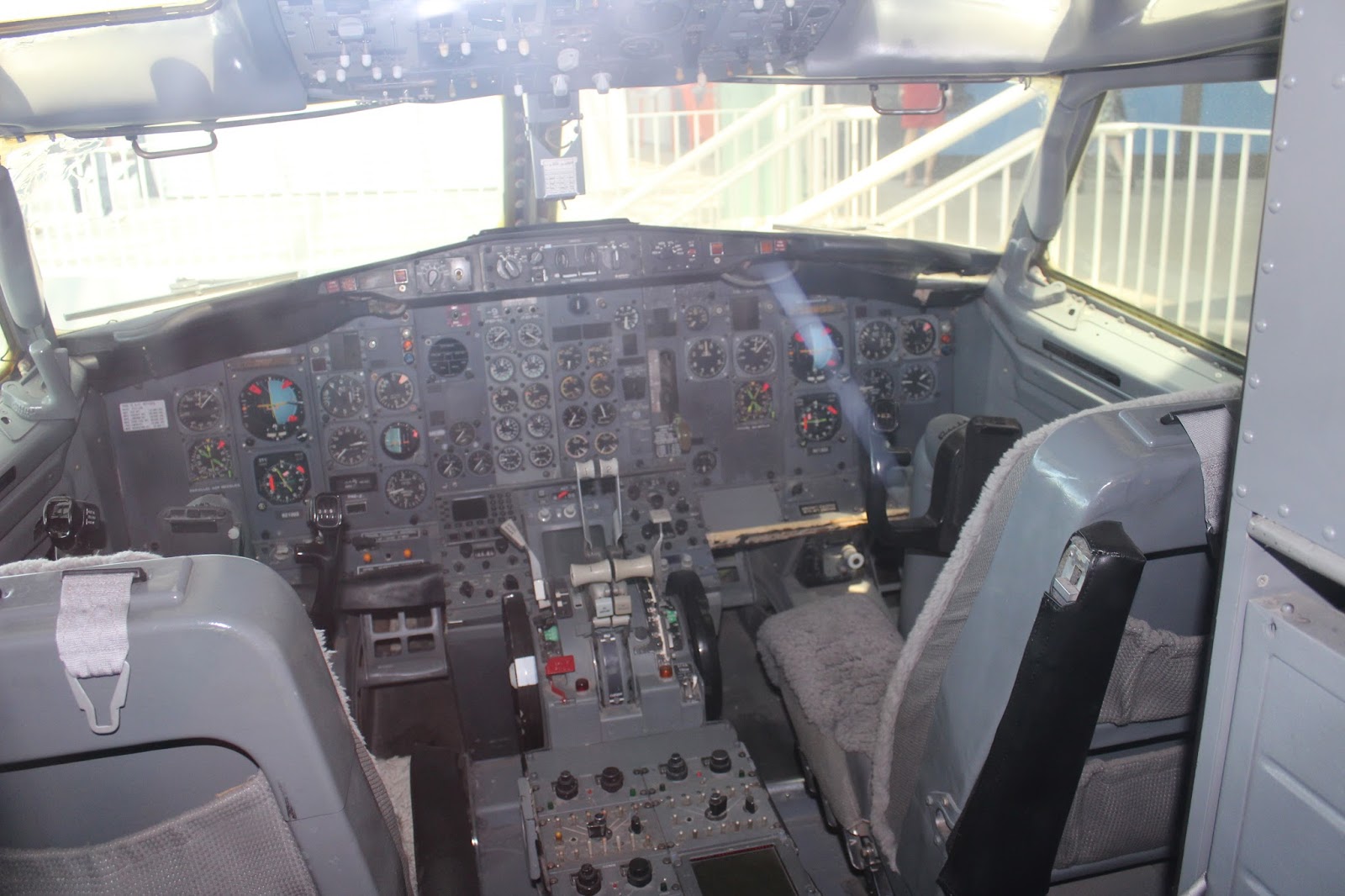
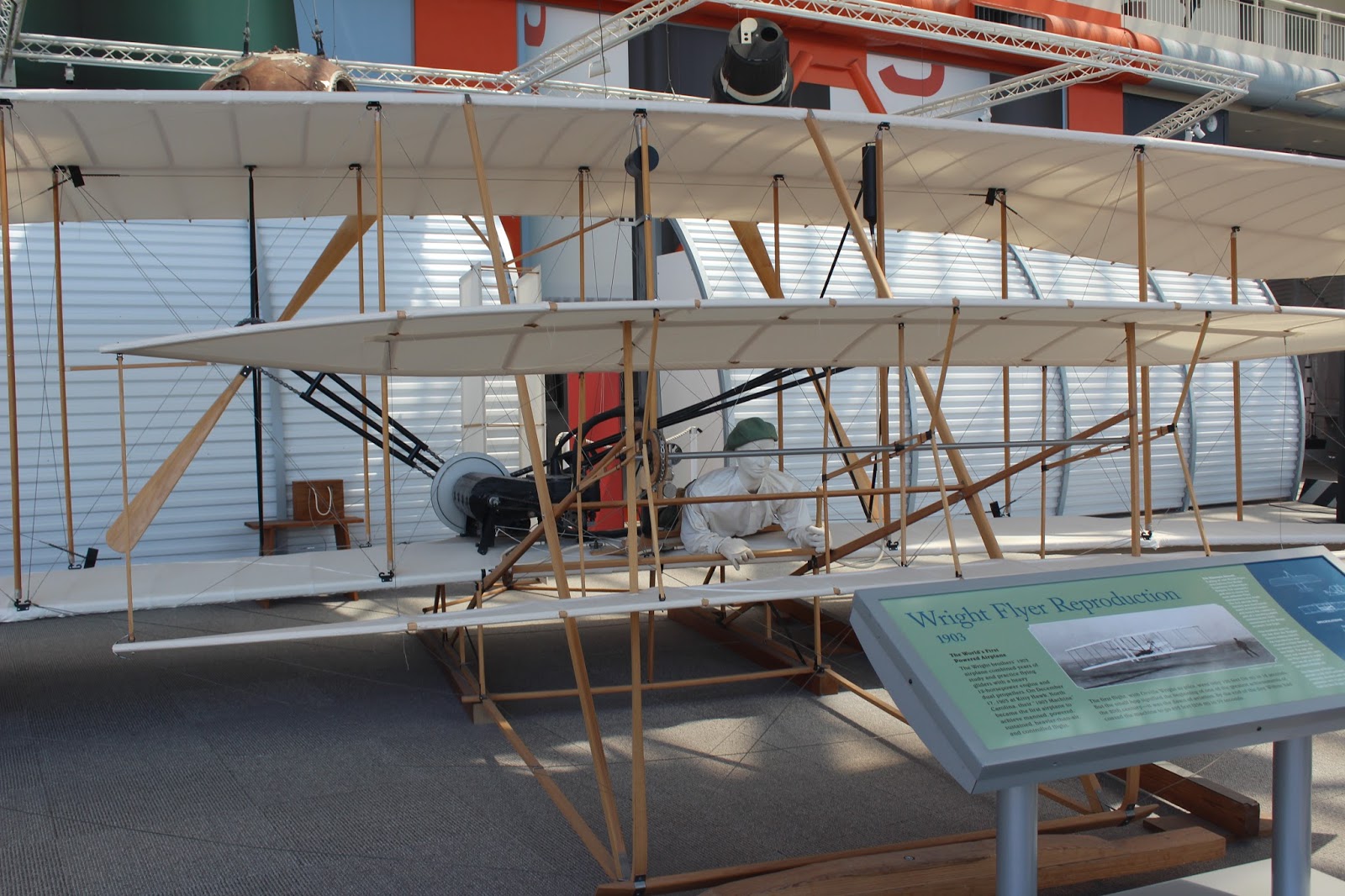
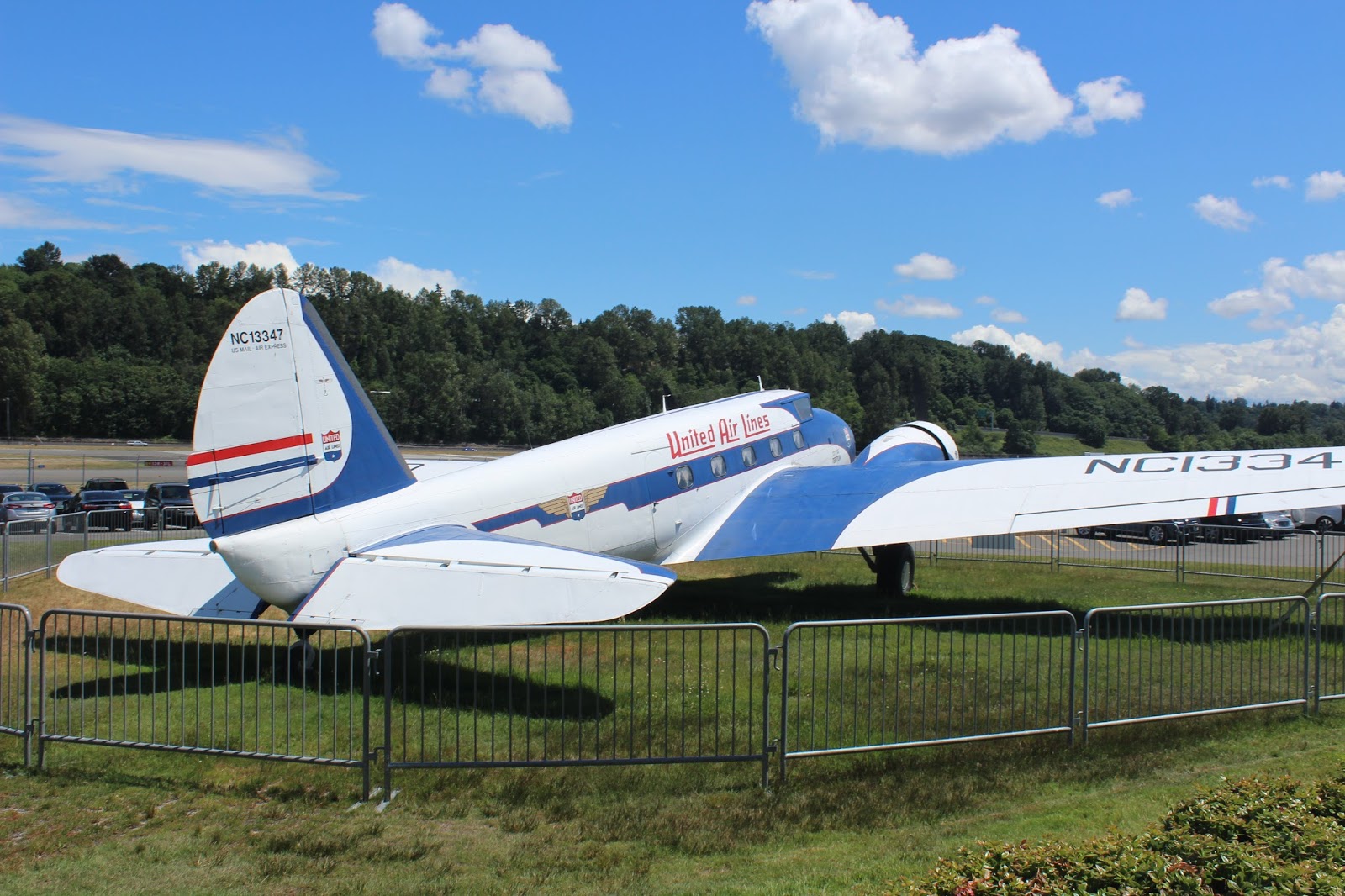
There was a display of the first Boeing Aircraft. There were TV’s and seats and the pilots cockpits were open. There were all the thingamajigs and switches you would find in a plane.
This is a jet plane used by the US army.
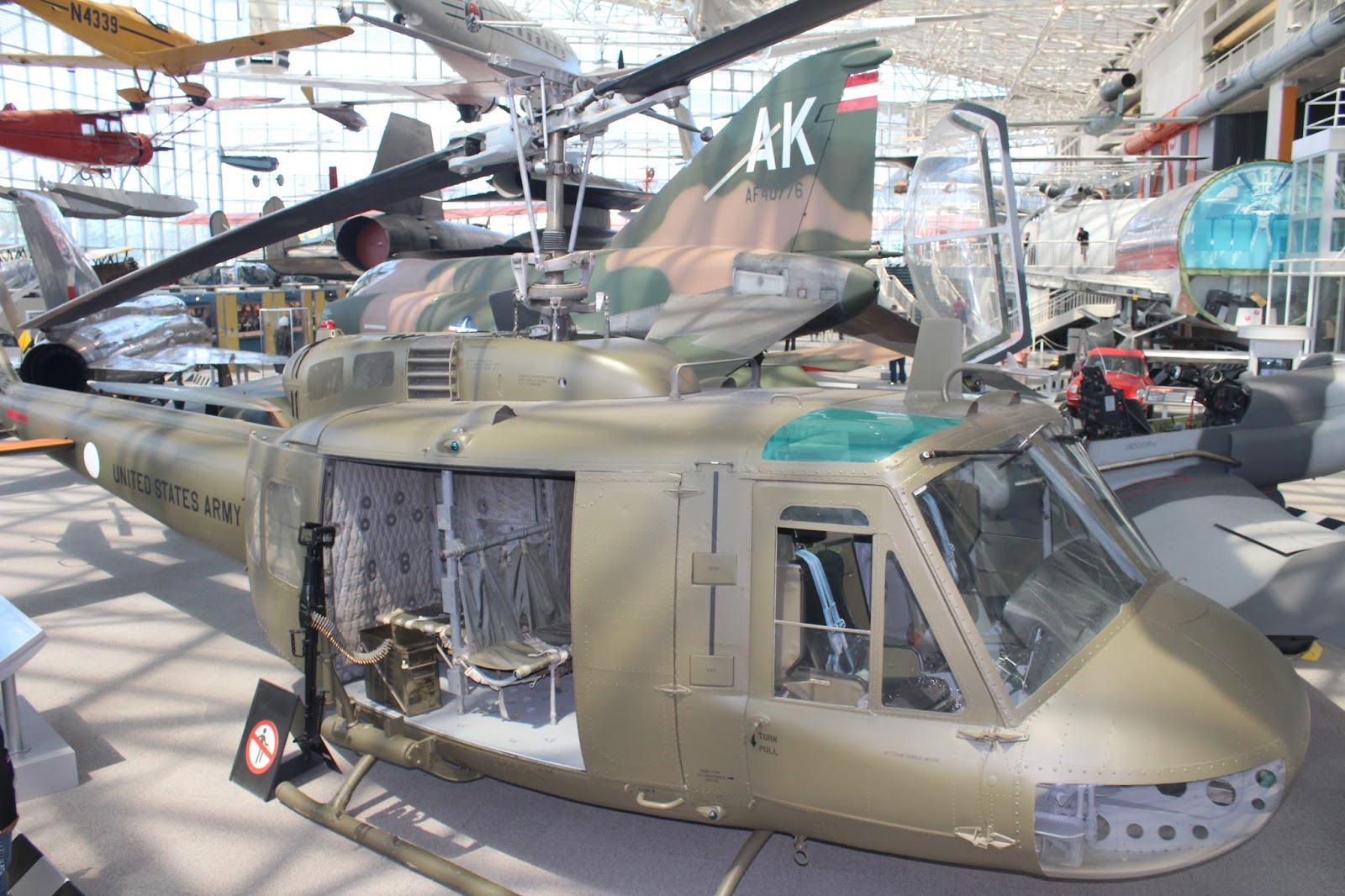
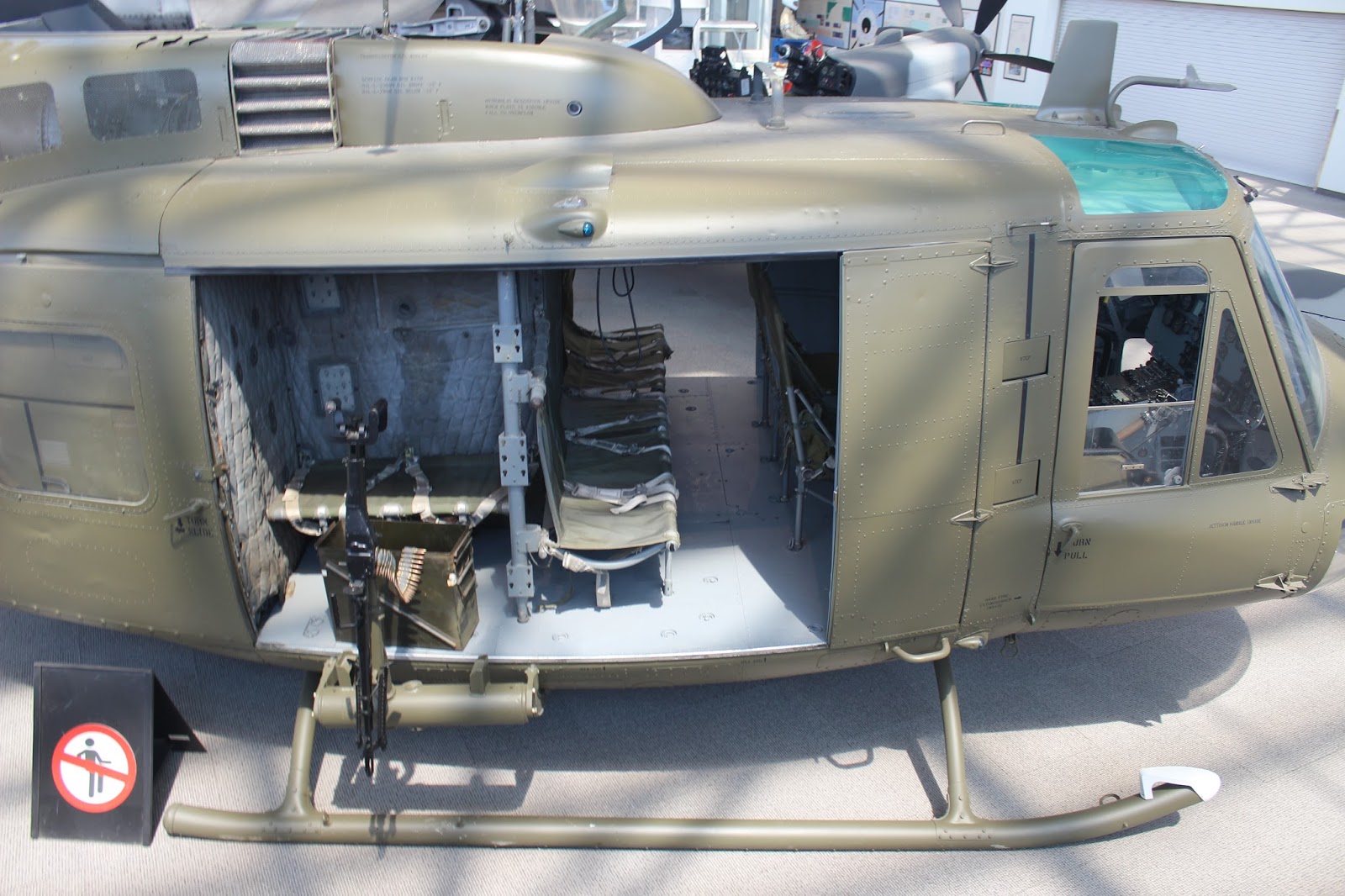
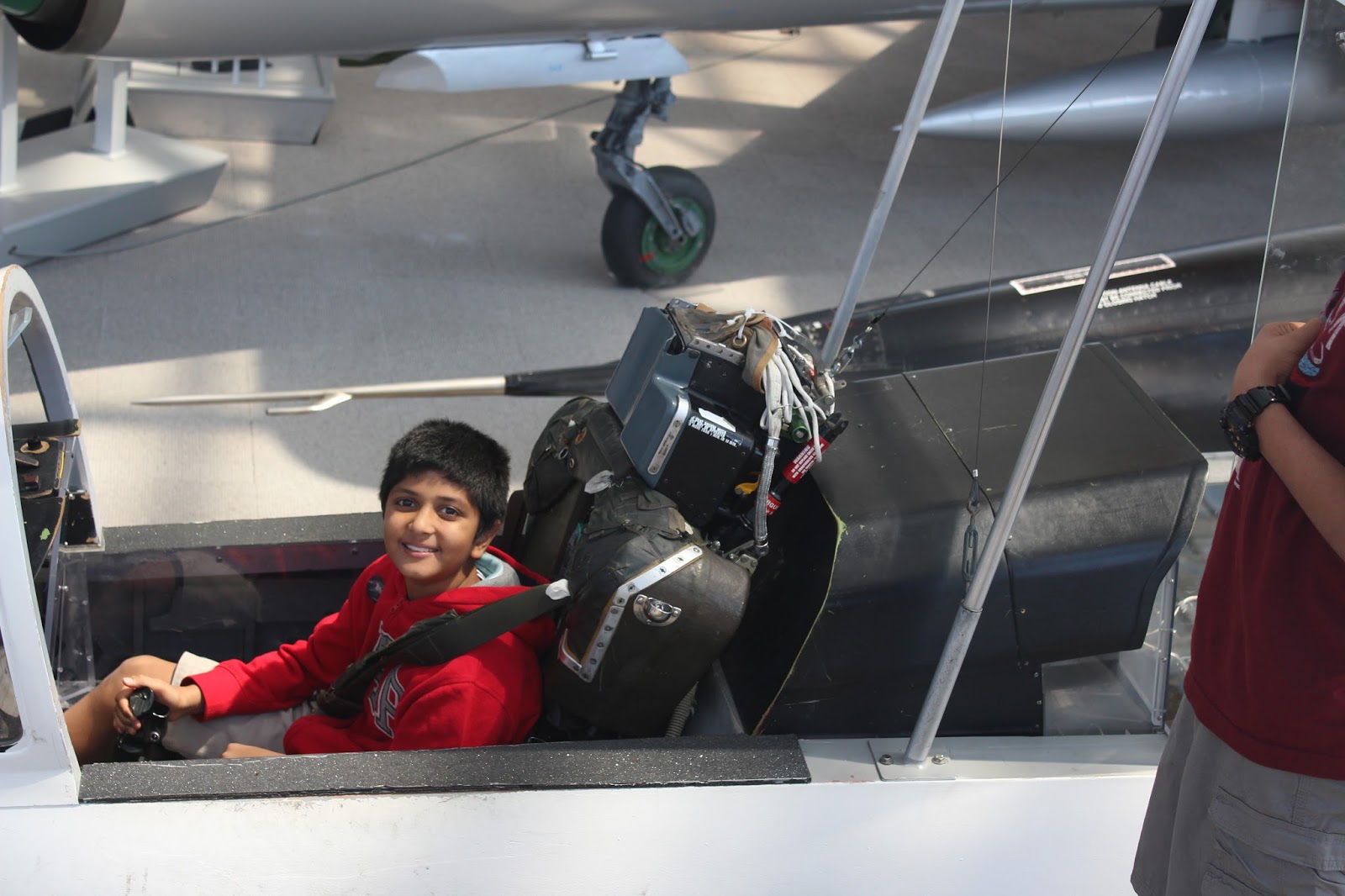
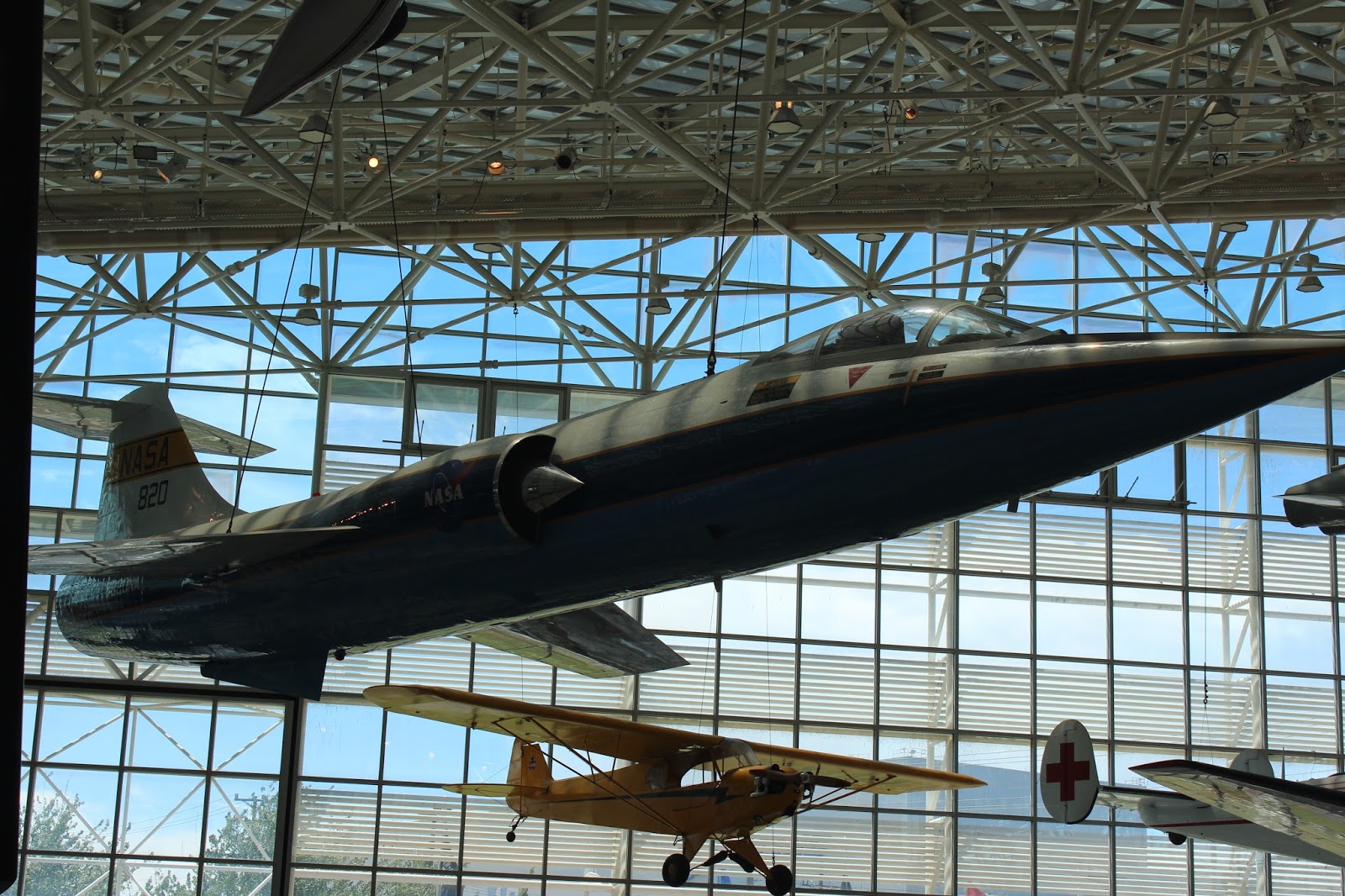
Hello from the sky! This was one of the old jet fighter planes. You had to wear an oxygen mask because you went into high altitude and if your windshield opened you wouldn’t have anything to breathe. They also couldn’t have a machine that generates oxygen all throughout the plane so they had separate oxygen masks. This plane could house two military personnel: one who drove the plane and the other would controlled the missiles and its launching.

 Gravityfalls
7 replies on “The daily blog of a tourist visiting the USA: Boeing and the Museum of Flight”
i love how ritvik's hair is standing up the simulator!
LikeLike
Yeah it looked like fun but i couldn't go in. the wind went up to 75 mph
LikeLike
Very detailed indeed. Wow, you can remember a lot of what you see 👍
LikeLike
Gosh!!! That's a long post on the flight musuem. That's a lot of detail. Glad you liked it.
LikeLike
Gosh!!! That's a long post on the flight musuem. That's a lot of detail. Glad you liked it.
LikeLike
Wow
I feel I have been there …..������
I am learning a lot from what you have learned !!!
Seriously ��
And the two kids in the hurricane simulator seem to resemble your sister and brother so much …it's unbelievable !!����
LikeLike
Raghav- you write beautifully. It is almost like you relive that experience while writing about it. I so look forward to your blogs after vacation. This one is very descriptive and informative. Put a picture of Seattle house, the garden etc- want to see it.
LikeLike